
The life of a professional dancer isn’t all glitter balls, ballet shoes, and arabesqueing around a beautiful dance studio for huge amounts of money. To succeed in this very competitive industry, you’ll need dedication, drive, and loads of talent. In return, dance can be an exciting and creative career, whether you’re busting moves in a panto or pirouetting in a classical ballet. Most professional dancers wouldn’t think of doing anything else. If that’s you, here’s our guide to making it happen.
JUMP TO
There will be plenty of opportunities to grow as you progress, but it’s important to first consider if you’re actually suited to a career in dance.
Being a professional dancer means hard work and signing up to many, many hours of training. Dancers really have to look after their bodies, which means limiting fast food, no quick pints after work, and plenty of time in the gym or doing supplementary classes such as Pilates, yoga, and barre. Physical fitness is key to having a sustainable dance career.
Many dance creatives work as freelancers. It can be financially unpredictable, and dancers have to be business savvy as well as twinkle-toed. You’ll have to be able to market yourself and your talents. Plus, contracts can crop up at the last minute, making life difficult to plan. Think about whether that sort of lifestyle is for you.
Finally, dancers aren’t divas. Good professional work relies on collaboration and creativity. Do you like working with other people? You’ll often work as part of a company. Do you enjoy following directions? You’ll get plenty from your choreographer. Are you confident in adding your own unique twist to make routines better? It could put you in good standing for taking on additional responsibilities within the company. Think about your answers carefully and ask people you trust what they think.
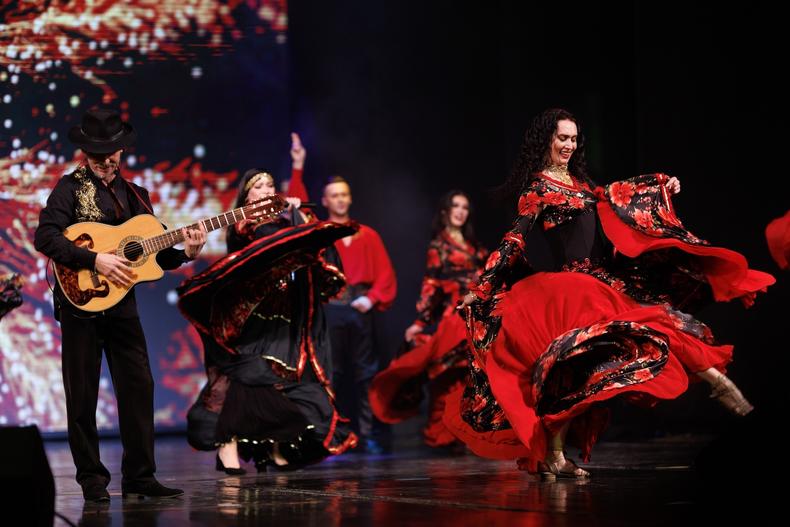
Credit: Kozlik/Shutterstock
Here are some of the main types of dance careers available. They offer very different working days, routines, and responsibilities, so think carefully about what may be the right path for you.
Company dancer
Hired on longer contracts (anywhere from a single season to their entire dancing career), these dancers perform in productions staged by dance companies in venues across the UK and beyond. Typically, the dancers audition to earn their place. New Adventures, led by Matthew Bourne, for example, often tours productions of The Red Shoes and Swan Lake, which regularly need new talent. Other UK dance companies include Northern Ballet, Phoenix Dance Theatre, and Hofesh Shechter.
Commercial dancer
From backing up Beyoncé to providing a dance intro to a local expo, commercial dancing offers a broad spectrum of jobs. What fundamentally links them, however, is that the dancers get paid for dancing in commercial settings. Usually hired on a gig-by-gig basis, commercial dancers contend with irregular but typically decent pay and unpredictable schedules. This kind of work could be on a cruise ship, corporate video, pop video, musical theatre, or advert.
Dance-adjacent careers
If commercial or company dancing doesn’t appeal to you, there are plenty of other routes to earning your keep through dance. Think about choreography, teaching, or becoming a dance health practitioner who helps performers recover from injury. You could also use dance to help people with psychological or physical issues as a dance movement therapist. Thinking about these careers is also good preparation for life as an older dancer when your body may not be able to plié as easily as it once did. Check out OneDanceUK’s helpful website for more careers involving dance.
1. Research the industry.
Take a deep dive into the world of dance to figure out which paths would best suit your ambitions. There are many different styles, and, although you don’t have to focus on just one, it’s good to know what’s out there and where your strengths lie. Go on YouTube to discover performances by some of the greats, including Pina Bausch, Josephine Baker, Misty Copeland, Shobana Jeyasingh, or the guys from Diversity. Also take a look at Royal Ballet’s streaming platform, Sadler’s Wells’ Digital Stage, and Dance Umbrella’s video channel for examples of great performances.
Try to see some live dance if you can. Check out major dance companies touring your area, but also see smaller, local groups for a different perspective.
2. Embark on some training.
Dance training can be formal (such as studying for a qualification) or informal (such as taking a local dance class), but most professional dancers study their craft – and potentially continue to do so throughout their careers. If you’re an aspiring classical dancer in a style such as ballet or jazz, you may have even been training since you were a child. Other styles are typically picked up later on. Research your options carefully to find one that fits you.
-
Degrees and diplomas: Dance degrees or diplomas offer you the chance to learn about the theory and history of dance, as well as the practicalities. Most courses last three years, but it’s important to research your options since syllabi vary. Trinity Laban Conservatoire of Music and Dance and the Northern School of Contemporary Dance are examples of institutions that offer full-time study, but check out the Universities and Colleges Admissions Service for more.
-
Vocational training: Specialist conservatoires offer top-level practical vocational dance training. The national standards body of the dance industry, the Council for Dance, Drama, and Musical Theatre (CDMT), provides information on the 16 CDMT accredited dance schools in the UK.
-
Other training: Find a dance class in your area. Institutions such as The Place in London and Northern Ballet School in Manchester can point you in the right direction. Ballet may not be your thing, but learning it can provide you with a solid foundation for other dance styles. Being open to different disciplines will broaden your creative horizons. Actors, for example, often use dance in their practice to find characters through movement. Check out Laban Movement Analysis, for example.
3. Get practical experience.
To be a dancer you have to dance, so grab any opportunity and get yourself some experience. It doesn’t have to be in a professional setting initially; just say yes to dancing. Attend workshops, enter a dance contest, and dance in front of friends and family. Also try to film any performances you do; they’ll be handy for your showreel. Then, if an open casting call crops up, you’ll feel ready to say yes to that too.
Keep an eye out for listings on notice boards at dance studios, too, and ask around for opportunities. Your fellow dancers will often be among the first to know about upcoming gigs and auditions, so get networking!
4. Prepare.
It’s really important to be prepared when the call comes. That means making sure you have your headshots, CV, and showreel ready to go. Your CV should list your dance training, skills, and experience. Your documents don’t need to be fancy, but you should have both print and digital copies ready. Also think about what dance routine you may use as an audition piece.
5. Commit to the life of a dancer.
The life of a professional dancer is hard work, but it’s rewarding. Get into that mindset and start living that life. Develop (and stick to!) a consistent routine that involves eating well, practicing your moves, and immersing yourself in the world of dance. In addition to talent, employers want stamina, passion, and technique. Be the professional dancer you’d want to watch and work with.