In the competitive world of modelling, your calling card isn’t a typical CV. It’s your model portfolio, sometimes called your “book.” Whether you’re an aspiring face looking for your first break or a seasoned pro updating your look, a standout portfolio is an absolute must. Even industry veterans like Adwoa Aboah and Lucky Blue Smith need one.
Consistently landing modelling jobs often comes down to the quality, range, and professionalism of your book, so it’s an essential thing to get right. This guide will walk you through building a modelling portfolio that really does you justice and, most importantly, gets you work.
What is a model portfolio and why does it matter?
A modelling portfolio is a curated collection of your best shots (professional or not), designed to show off your ability, versatility, and physical attributes. A well-rounded book should include 10 to 12 distinct photos, although fewer will do the trick for new faces. Digital folders are often used for initial agency submissions, but physical portfolios are usually the status quo at the interview or casting stage, so you’ll need both.
Your portfolio is usually the first glimpse agents and casting directors get of you, and they’ll often decide whether to call you in for a casting within seconds of seeing your images. Something as important as that takes thought, and maybe a bit of saving. Depending on what sort of package you’re after, you’ll pay anywhere between £150 and £700. Before you take the leap and book a photographer, make sure you’ve followed these steps to creating a portfolio that sets you apart.
Step 1: Define your niche
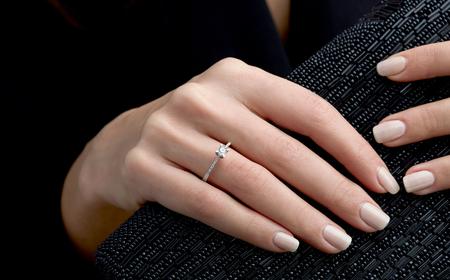
Versatility is important, but most models are a better fit for some types of work than others. Are you suited to high-fashion runways, commercial work, fitness modelling, or parts modelling (which often focuses on hands and feet)? Looking at successful models who share your height, build, and other physical traits can help you get a feel for which markets to target. Your appearance will be a big factor in the sort of work you get, but think about the work you want to do as well. Then tailor your portfolio to the industry sector you think you’ll thrive in.
Step 2: Invest in professionals
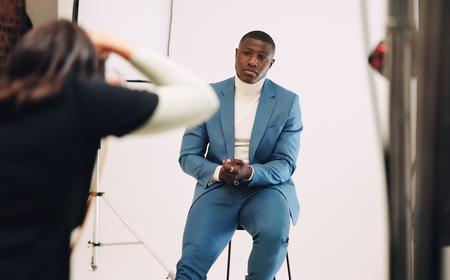
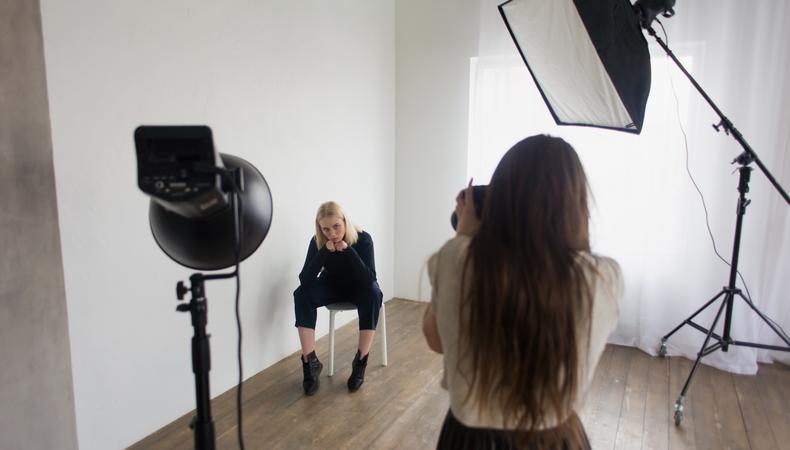
It’s tempting to go the hassle-free route of having a friend snap some photos on a phone, but a professional modelling portfolio calls for professional execution. Look for a photographer with some experience in fashion or commercial photography. If you already have an agent, they should be able to connect you with someone they trust.
If your budget allows, professional hair and makeup are worth considering too. The pros know how makeup translates under studio lights, they can put together a broad range of high-impact looks that play to your strengths, and they can be on hand for quick changes on shoot day. Just remember: Casting directors and agents need to see what you really look like, so it’s a good idea to err on the side of natural – even for your more creative looks.
Step 3: Practise your poses
You’ll have a finite amount of time to nail your images, so it’s a good idea to get some practise in before your shoot. The best models don’t stand stock still; they move. Try it out in front of a mirror, and study magazines and reputable publications to understand body lines, hand placement, and facial expressions. Then do your best to trust you’ve taken it in, and don’t think too much about it in front of the camera. Your goal is to look comfortable and confident in every frame.
Step 4: Master the essential shots
To be sure you’re showing your range and meeting the expectations of agents and casting directors, focus on these key shots:
- A clean, close-up shot of your face, with minimal makeup, that shows your natural features and skin texture.
- A full-body shot that captures your proportions and physique.
- A high-concept, editorial shot that shows off your personality and ability to pose creatively.
- A commercial shot – think “smiling and approachable.” This is important for catalogue and lifestyle brands.
- Digitals (or Polaroids) – raw, unedited photos, often taken against a plain white wall, that show exactly what you look like at this moment in time.
Step 5: The edit and layout
Once the shoot is over, the edit begins. You may have 200 photos, but you should include only the absolute best since even one weak photo can bring down the standard of the entire portfolio. If you’ve used a professional photographer with industry experience, they should know to keep any retouching subtle and natural.
When it comes to organising your chosen pictures in your book, think about their flow. Arrange the images so they tell a cohesive story. Start with your strongest headshot and end with another high-impact image for a lasting impression.
Standard professional prints are usually 9 inches by 12 inches or 20 cm by 30 cm (roughly A4). Physical portfolios tend to be a black A4-size folder with clear protective sleeves, and your digital book can be hosted on a personal website or a casting site. Images should be high quality, but optimised for quick loading. You don’t want casting directors to lose interest when they’ve only seen half your face!
Your modelling portfolio is your passport to the casting room. If you make any drastic changes to your appearance – such as dyeing your hair or getting prominent tattoos – you’ll need to update your book as soon as possible.
Building a portfolio that grabs attention and shows who you are is no small task. Break it down into manageable steps, keep it updated, and don’t be afraid to put it out there. With the most important tool in your box, you’ll be ready to jump at dream opportunities that come your way.