People are multifaceted, and actors have a big job unpacking every element of the character they’re playing. When that character has an alter ego, things get even more complicated. There are two full sides to explore.
An alter ego isn’t simply a chance to play two characters for the price of one. The best performances understand that the identities are connected. Each reveals something about the other and about the person underneath.
Here’s a closer look at how to play two sides of the same character.
Put simply, an alter ego is a second or alternative identity a person adopts. That may mean a character deliberately creates another persona, maintains a secret identity, or behaves very differently in different parts of their life.
Derived from the Latin for “self” or “I,” the ego is one of three components of human personality in psychoanalytic theory. Sigmund Freud proposed that the ego is the reality-oriented part of the psyche, mediating between our instinctive desires, our moral standards, and the demands of the external world. In other words, our awareness of ourselves and the way we present that self to others.
There are many reasons someone may create an alter ego. It could be to reduce anxiety or extend elements of their personality. David Bowie, for example, famously created Ziggy Stardust, using the persona to explore an identity different from his own. “I’m a collector and I’ve always seemed just to collect personalities and ideas,” he said during a 1973 TV interview.
Alter egos can serve different narrative functions too. In Dr Jekyll and Mr Hyde, the alter ego Mr Hyde explores the duality of the self, while in Aladdin, Aladdin adopts the persona of Prince Ali to hide his true identity and win over Jasmine. “Alter egos can also serve as an escape from reality,” Kyle DeGuzman writes for Studio Binder. “In times when life becomes overwhelming, taking on a different persona can provide a temporary respite from the pressures of everyday life.”
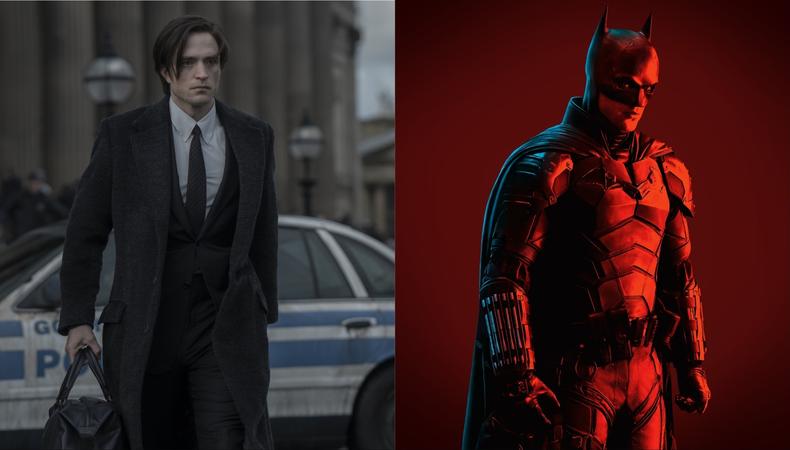
Batman
Batman is a classic example of an alter ego. Bruce Wayne’s public persona and Batman’s vigilante identity may look radically different, but they are ultimately expressions of the same character. The contrast gives an actor plenty to play with: What does Batman allow himself to express that Bruce suppresses?
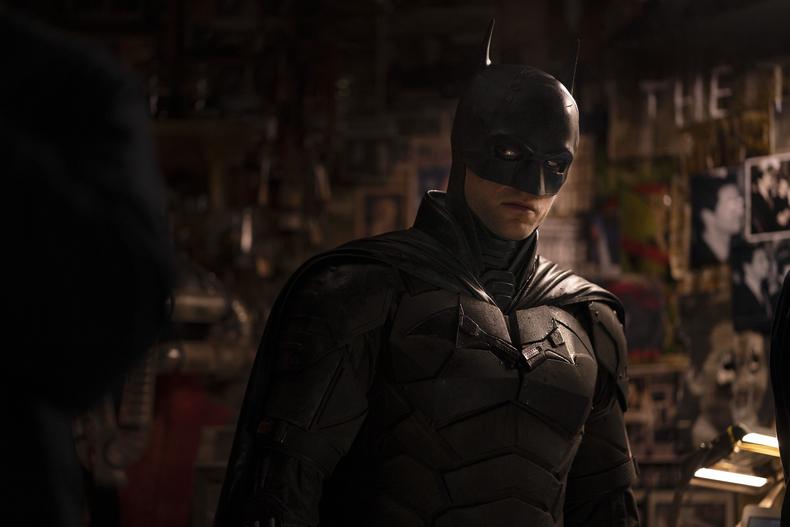
Courtesy Warner Bros. Pictures
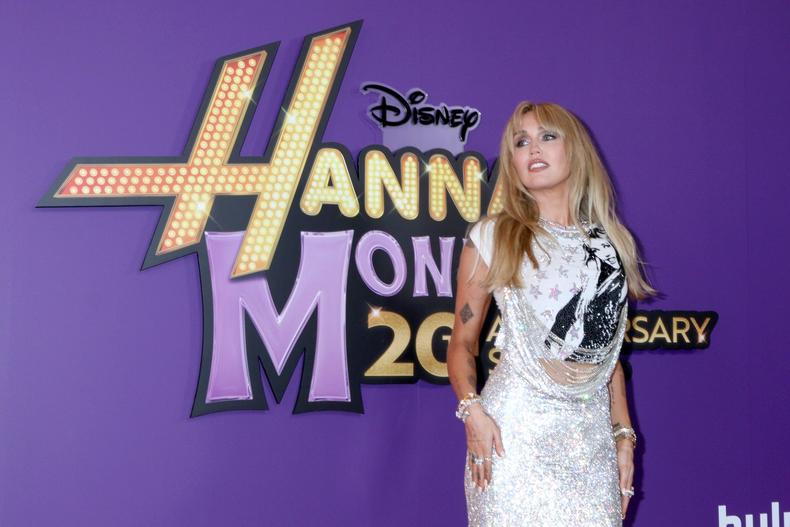
Hannah Montanna
In Hannah Montana, Miley Stewart is also secretly Hannah Montana. She puts on a blonde wig and gets ready to perform to thousands. She separates her identities so she can live as a pop star and also have a normal, fame-free life.
Credit: Kathy Hutchins/Shutterstock
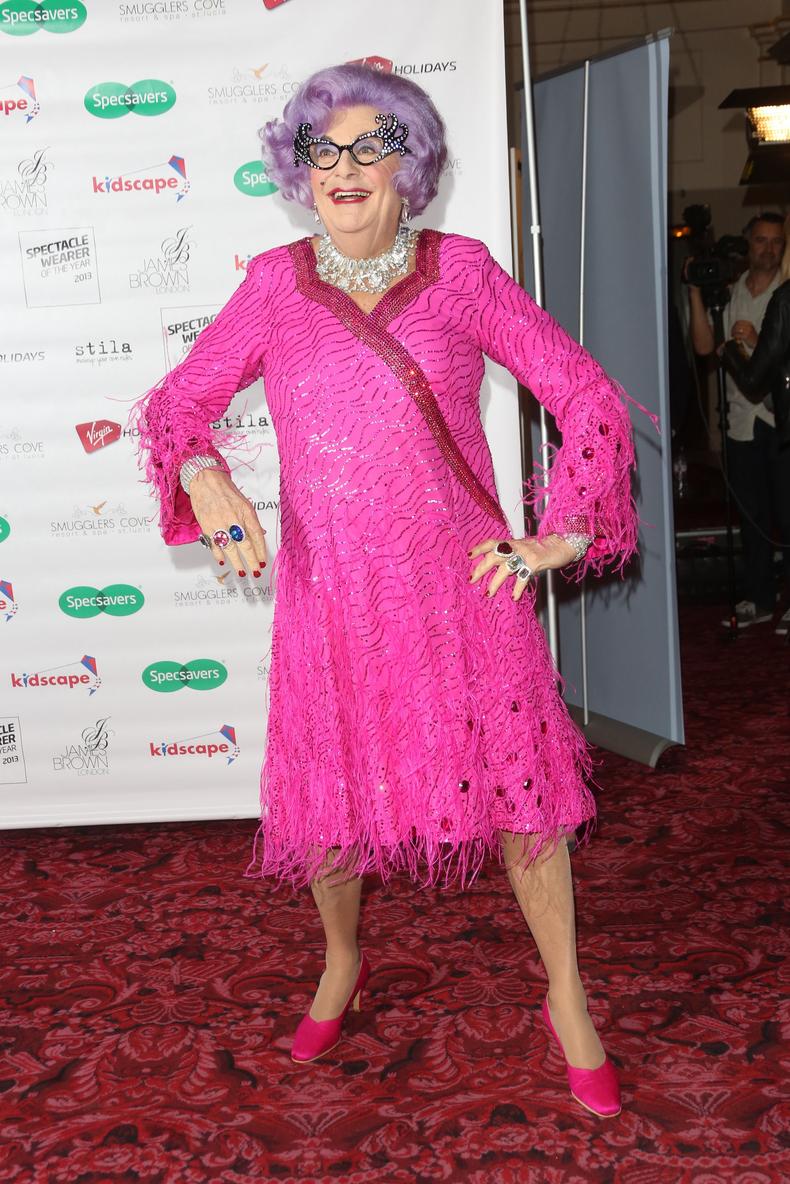
Dame Edna Everage
Australian comedian Barry Humphries created Dame Edna Everage, a flamboyant, sharp-tongued housewife from Melbourne who became a hugely successful stage and television personality. Humphries developed a distinctive voice, mannerisms, costume, and worldview.
Credit: Featureflash Photo Agency/Shutterstock
The key is to understand why the split exists. What does the alter ego allow the character to do, say, or feel that they cannot in everyday life? What are they hiding, and from whom? What does the second identity give them? Thinking of the two personae as separate characters can help answer those questions.
1. Consider your own alter egos.
It may help to start with your own experience. After all, we all have different sides to our personalities and many ways of presenting ourselves depending on the situation. You may be very different with your friends than you are at work, for example, or you may find yourself putting your best, most positive foot forward on a first date. These aren’t necessarily alter egos in the traditional sense, but thinking about the different versions of yourself you bring out in different circumstances can help you understand the psychology behind the characters you play.
2. Build both characters.
Start by creating a character profile for the original identity and another for their alter ego. Explore their wants, fears, relationships, physicality, speech patterns, and secrets. Then look for the overlaps. Your character may be shy in everyday life but confident as their alter ego. Both the similarities and differences will be helpful in your character development.
3. Decide a definite reason for the alter ego.
You need to understand why the alter ego actually exists. Whatever the reason – to hide something, escape from reality, gain confidence, or express a side of themselves they normally suppress – you need to lean into it. That will help make the alter ego’s behaviour seem believable and ensure that their presence serves a clear purpose within the story.
4. Think about the characterisation.
If an alter ego were the same as your character, they wouldn’t be an alter ego, would they? Think about how they may look, move, or speak differently. They could even think slightly differently too. Some things to consider are their posture, facial expressions, gestures, voice, accent, mannerisms, and how they act around other people.
5. Remember that they are part of one whole.
The reason playing an alter ego is so tricky is because they are two sides of one person’s brain. Draw links between them and think about what they teach you about each other. The best alter egos work because they allow you to see more of a character – and how their dichotomies make up a whole.