For many actors, a role in a commercial could pay the equivalent of several months of wages at their day job. You may be offered figures in the thousands when including the buyout, or usage, fee. Earning such sums from just a few days of shooting can offer creative freedom and ease financial strains.
But what is a buyout fee, and how much should it amount to? Here’s the 101 on buyout fees in acting, including what to look out for before agreeing to one.
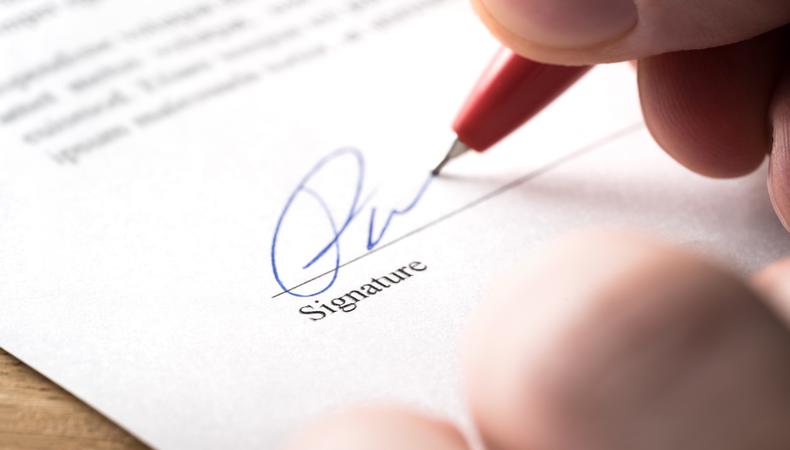
A buyout fee is a one-off payment you receive as a performer for use of your image and performance. Buyouts are most commonly used in commercial work. Once a commercial airs, you will be paid a buyout fee if any recognisable part of you is featured in the commercial, as originally agreed in your contract.
Only featured artists are eligible for buyouts, whereas walk-on and background artists are not. The buyout should come with terms of use, including the period of time the commercial will air, the type of media or platforms on which it will air (TV, cinema, or online), and in which territories it will air (such as the UK, Europe, US, or globally).
A buyout fee is different from the basic studio fee (BSF), which compensates a performer for the use of their services on the job itself. Equity has clear guidelines that say the BSF “should be no less than £300 and currently is more likely to be £350.”
A buyout also differs from secondary payments, such as royalties, net profit share, and residual fees, which are used across film, TV, and streaming productions to compensate performers for use of their performance after their contractual engagement on a production.
Buyout fees vary from project to project depending on the terms of use, but they are generally calculated as a percentage of the BSF. If the BSF was £350 and the buyout was 1,000% of the BSF, for example, then the buyout fee would be £3,500.
The buyout fee will be different for every project, but here are some things to consider before signing a contract.
- Does the buyout fee reflect the terms of use? The bigger the audience, the higher the buyout fee should be. Equity recommends using UseFee.tv to calculate minimum rates for TV broadcast. They are calculated based on TV ratings, so you would need to ask the producer or production company for those figures. Advertising online is not as clear cut, but Equity’s best practice document states that “the internet minimum rate for the UK is based on 400% x BSF for one year for one website.” With a £350 BSF, you should be paid at least £1,400 for use of the advert on one website for one year.
- Does the buyout fee adequately compensate for lost work? Featured artists in an ad campaign can be prevented from advertising competing products for up to three years, so it’s worth considering whether the buyout you are being offered compensates you sufficiently for any future work it may prevent you from taking on. If a small crisp brand were to offer you a buyout of £1,400 for an advert appearing online for one year, for example, consider that you may not be able to advertise any larger crisp brands (which may offer a much bigger buyout for an advert across multiple platforms) for three years from when the commercial first airs.
- Does the buyout include additional options? If the advertising company wishes to include an option to extend the commercial’s length of broadcast, the territories in which it will be broadcast, or the platforms on which it will air, it should be explicitly laid out in the contract before you are engaged on the job. Each option should state explicitly what the additional buyout fees would be.
- Does the contract mention when the buyout will be paid? Equity’s recommended best practice document stipulates that the “advertiser shall pay to the featured artist the appropriate use fees not later than the end of the second month following that in which a transmission of the commercial occurs.” Ensure that your contract clearly states when you will receive the buyout fee.
- Is the contract with the advertiser or the producer? Equity recommends that, when possible, “your contract is with the advertiser rather than the producer.” That is considered a sturdier option than having a contract with the production company, which receives its budget from the advertiser or client, but may be involved with the project only temporarily. With commercials often airing six months to a year after filming, having a contract directly with the advertiser can make it easier to ensure that your buyout is paid.
Buyout red flags to avoid
- The buyout has no terms of use: It does not state where the content will be shown, for how long, or on which platforms.
- The buyout fee is low, but the audience is large: Watch out for extremely low buyouts coupled with terms of use that mean the advert is likely to be viewed by millions (e.g. it will be shown globally in cinemas, on TV, and online for 12 months).
- The buyout fee is in perpetuity: That would mean the advertiser owns the exclusive rights to your performance and would be able to continue using it, and your image, forever.
Buyouts can provide financial security for a significant chunk of time for actors, but remember that what they’re buying is, essentially, your image. If the ad is successful, you could become the face of the brand – like the Go Compare guy – so don’t sell yourself short. Make sure you’re being appropriately compensated for your role in marketing the advertiser’s product.