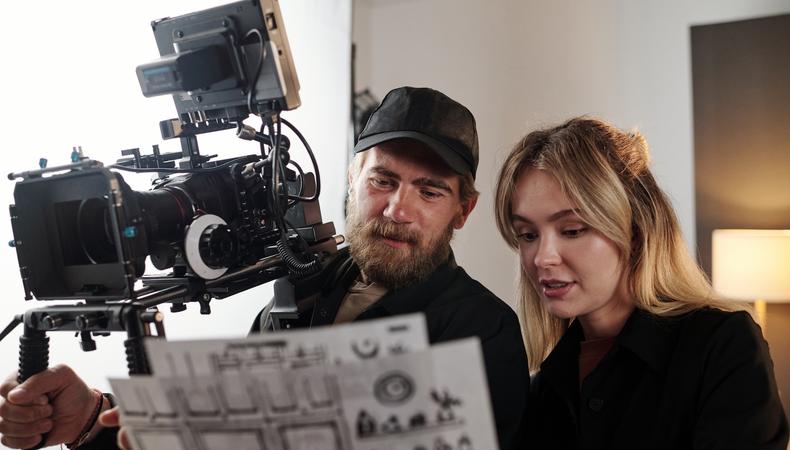
While cinematographers and directors earn laurels and acclaim for their iconic shots and sweeping panoramas, anyone who's worked in film will tell you that camera assistants play an equally important part. Often referred to as ACs, they’re responsible for the technical side of things. By handling logistics and caring for tasks – such as setting up and building cameras, adjusting camera settings, and swapping out filters and lenses – they make it possible for directors and cinematographers to capture the best shots.
If you’re keen to make your mark in the world of film and television in a behind-the-camera role, you’ll need to understand where a camera assistant fits into the production crew hierarchy, what they do, and how you can become one.
JUMP TO
Like everyone else in the camera department, camera assistants support the director of photography (DoP). While the DoP works with the director to determine a production’s visual style, their ACs provide support by maintaining equipment, making adjustments, and handling logistics.

guruXOX/Shutterstock
There are three types of ACs, each performing a distinct role within the camera department’s carefully regimented hierarchy and often progressing from camera PA to 2nd AC to 1st AC during their careers:
1st AC (focus puller): Reports directly to the DoP and takes responsibility for maintaining the camera’s focus through each shot by altering settings and changing lenses. Other duties include:
- Transporting equipment
- Building cameras at the start of the day and ensuring settings are correct
- Breaking down cameras after shooting and packing equipment away
- Keeping equipment in good working order
2nd AC (clapper loader): Assists the 1st AC with anything they may need and takes responsibility for filling out and operating the clapperboard at the start of each take to keep audio and video synchronised. Other duties include:
- Labelling and storing media cards
- Filling out camera reports with the technical details of each shot
- Using tape to mark positions on set
- Passing lenses and other equipment to the 1st AC
- Changing battery packs as needed
Camera production assistant (camera PA): Much like a regular PA but specific to the camera department, camera PAs report to the 2nd AC and assist with the more basic logistical issues. Common duties include:
- Running cables
- Moving equipment
- Charging, collecting, and distributing camera batteries
- Keeping the camera truck clean and organised
- Running errands, such as getting coffee or taking messages to other departments
guruXOX/Shutterstock
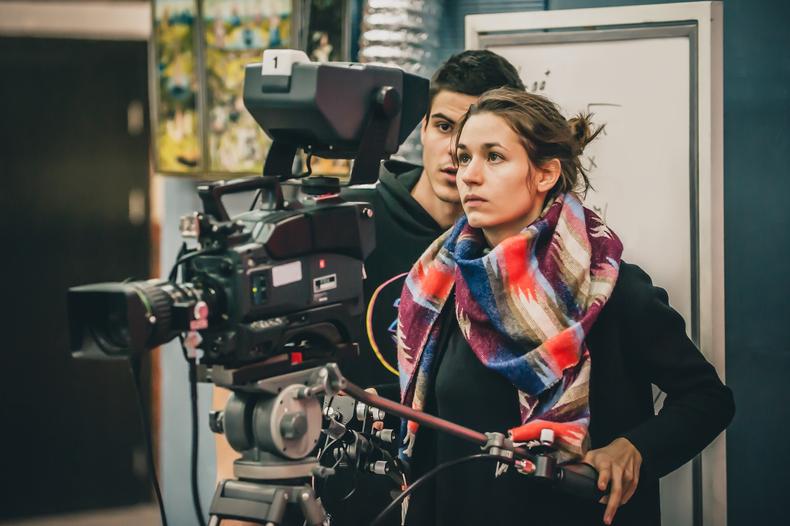
Camera assistants and camera operators are not one and the same. While a camera operator or assistant camera operator moves the camera, looks through the viewfinder, and hits record, an AC provides technical support to ensure what they shoot is properly captured.
Still, tight budgets often blur those lines. On a small indie or student film, one person may be both camera assistant and camera operator or cover the responsibilities of 1st AC, 2nd AC, and camera PA by themselves.
Pathways can vary, but certain major steps recur in most. Here are some ways you can start your journey, secure those vital early roles, and continue to get hired.
1. Study
Degrees aren’t essential but can provide a solid foundation of skills that enable you to work on different productions.
“My degree was indeed valuable to my career…. It taught me how a film crew works and how each department is indispensable to the others,” explains 2nd AC Ashton Born. “I got to learn how to load film in my course, which has been invaluable to my role…. And most importantly, university allowed me to meet people that I still work alongside within the industry.”
Indeed.com recommends a degree in:
- Film and television
- Media studies
- Photography
- Digital media production
- Cinematography
As for what to study, a two-year camera prep technician level 3 advanced apprenticeship may appeal to those seeking hands-on training, while relevant college courses include:
- Level 3 diploma in creative media production and technology
- Level 3 diploma in film and television production
- Level 3 diploma in photography
- T level in media, broadcast, and production
You'll find each course available at colleges across the country, so there shouldn't be any need to move far afield in order to attend.
Finally, several short courses provide introductions for beginners looking to dip their toes in the water, including:
- Two-day National Film and Television School Camera Trainee Workshop
- Five-day London Film Academy Cinematography Certificate
- Three-day ARRI Certified User Training for Cameras
2. Gain experience
It’s crucial for securing work within the camera department, and there are three main ways to get it:
-
Work at an equipment company
Start with a rental company as a kit room assistant to learn about equipment and build contacts with any ACs who visit.
“When I graduated, I went to work in camera rentals for a year to gain some industry knowledge,” says AC Andrew Owens. “They tend to employ trainees who are looking at getting into the industry, so you can learn about how everything works and get familiar with the equipment.”
-
Find entry-level roles
Getting on set is key, even if you’re only a PA or runner. From there, you can focus on working with the camera department and eventually transition to AC roles as you learn how everything comes together. Don’t focus solely on big features when you’re searching for film crew jobs – advertisements and corporate videos are also great places to learn.
“I'd say apply to as many jobs or trainee positions as you can,” recommends camera assistant trainee Lucy Watson. “From most you won't hear anything back, but you will from one.”
-
Volunteer or intern
Working for free isn’t ideal, or even possible for many, but if you’re able to sacrifice a full salary for a short stint, it can get your foot in the door. Camera assistant Rory Vickers started with “low budget, no budget stuff [that is] now starting to pay off,” leading to paid work. “Be patient. It’ll come. Do the free work,” he says.
Look for:
- Internships and placements with organisations such as the BBC, ITV, Channel 4, and Warner Bros. Discovery (which recently offered a paid DP Mentorship & Camera Trainee Programme on House of the Dragon)
- Community film projects
- Student and indie films

PHILIPIMAGE/Shutterstock
3. Be professional
Sterling Wiggins, a 2nd AC, highlights “the ability to work under high pressure, but still stay calm and collected [because] there is really no margin of error, and mistakes cost a lot of money.”
That’s why camera departments maintain strict discipline, with instructions always repeated, equipment handed around in specific ways, and cameras never left alone. Newcomers should observe how teams work and diligently fit into that process. Strong note-taking abilities, organisational skills, and a hardworking attitude will be as important as knowing the difference between the ARRI ALEXA Mini and Sony VENICE.
“Nobody expects you to know every little thing about every single camera,” says Douglas Hart, a highly regarded camera assistant and author of The Camera Assistant: A Complete Professional Handbook. “Your set attitude of getting there on time, doing your job, paying attention [is] what’s going to get you hired more than once.”
4. Keep learning
“Stay ahead,” Vickers advises newcomers. “It’s just a case of learning as much as you can, whether that’s from the people you work with who are more experienced, or going online, reading things, watching tutorials…those things really pay off.”
You’ll need the basics, such as knowing about shutter angles, lenses, filters, and white balance. You can also contact local rental houses that may be able to help you understand how things work.
There’s a huge range of online materials, including videos on everything from using the clapperboard as a 2nd AC to how 1st ACs build cameras. Invaluable online resources include The Black and Blue, the Cinematography Mailing List, and The Camera Assistant’s Manual, while popular books include:
- The Camera Assistant: The Complete Professional Handbook by Douglas C. Hart
- The Camera Assistant’s Manual by David E. Elkins
- Optics and Focus for Camera Assistants: Art, Science, and Zen by Fritz Hershey
5. Network
“Once you are given your first opportunity, nurture the contacts that you make,” advises Born. “As most work in film is freelance, almost every job you get will be as a result of a contact, so building relationships with others is absolutely vital.”
Cinematographer and former AC Ehran Edwards underlines the importance of building networks on set. “Get to know the camera crew…. Your best chances for future work will be to build a good rapport with them. Work hard, impress, and you may get a call on a future project.”
You can also:
- Attend film festivals: The BFI London Film Festival and Edinburgh International Film Festival remain standout annual events, while Belfast’s Cinemagic International Film and Television Festival for Young People and the BFI Future Film Festival are particularly recommended for younger aspiring filmmakers.
- Attend industry events: BAFTA frequently hosts panels and screenings ideal for all levels of production crew, and The British Society of Cinematographers’ annual BSC Operators Night has been a fixture since 1951.
- Join and interact with online forums and social media groups.
- Reach out to small local film communities.
- Create and make relevant posts for your own social media account.
guruXOX/Shutterstock
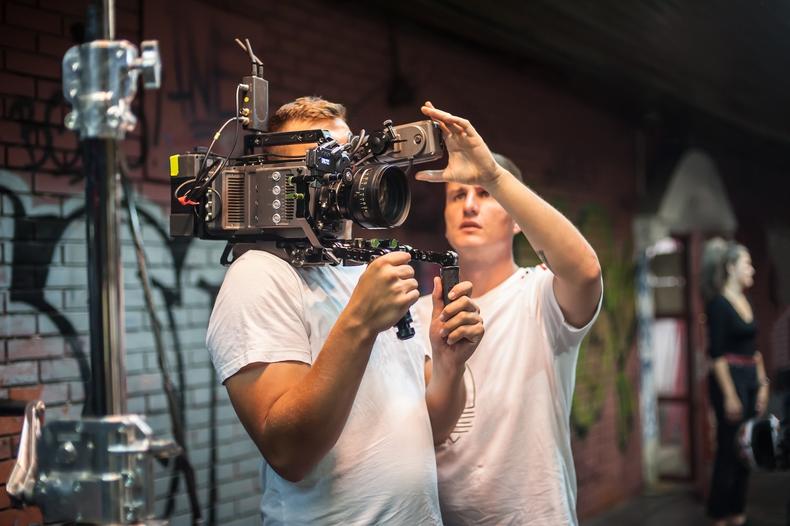
Glassdoor reports a base pay between £24,000 and £31,000, or £27,000 on average. However, many 1st ACs and 2nd ACs work as freelancers rather than in salaried positions since employment tends to come on a job-by-job basis and vary widely in terms of duration, location, and the amount of work. For freelance gigs, you can turn to the 2024 broadcasting, entertainment, cinematograph, and theatre union (BECTU) camera branch ratecard:
- 1st AC: Base rate between £44 and £55 per hour and overtime rate between £66 and £87
- 2nd AC: Base rate between £33 and £40 per hour and overtime rate between £49 and £80