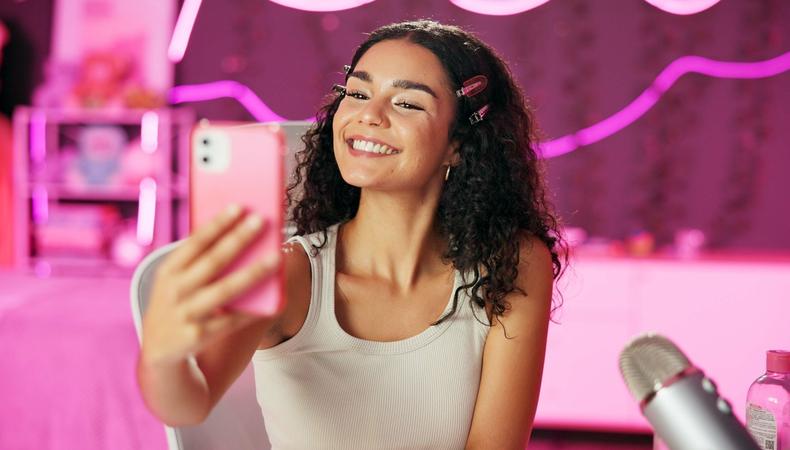
Top influencers enjoy enviable lifestyles. Khaby Lame reportedly earns up to $400,000 (£299,071) per post, while Francis Bourgeois became the face of Gucci x The North Face, Emma Chamberlain worked with Levi’s, and Addison Rae befriended the likes of Kourtney Kardashian and pop star Charli XCX.
Beneath the wealth and glamour, however, lie deep pools of determination, talent, and business savvy. Success rarely arrives overnight or without expending significant time and effort with no guarantee you’ll actually make it. If you have the faith to take the plunge, here’s how to find your feet as an emerging influencer.
A social media influencer builds large, engaged followings on sites such as TikTok, Instagram, YouTube, Facebook, Snapchat, and Twitch, and then uses that platform to promote brands and influence followers.
They’re usually categorised by follower count. Here’s how Viral Nation breaks things down:
- Nano: 1,000 to 10,000 followers
- Micro: 10,000 to 100,000 followers
- Midtier: 100,000 to 250,000 followers
- Macro: 250,000 to 1 million followers
- Mega: Over 1 million followers
Content creator vs. influencer
Content creators may be paid to promote specific brands or products, doing the odd ad-read for something like Squarespace or NordVPN, but their focus is on the content itself. It needn’t be strongly linked to services they promote, much like traditional TV shows breaking up content with short ad breaks. Some earn through native monetisation features such as the YouTube Partner Program or TikTok Partner Programs. Others just enjoy creating.
Influencers also make content, but there’s an overarching aim to inform followers and sway their purchasing decisions.
When brands pay influencers to promote or sell their products, that’s influencer marketing. How do influencers earn their pay cheques? Common methods include:
- Affiliate marketing, such as Laura Belgrave’s Gymshark affiliate link
- Sponsored posts, such as Olivia Attwood’s collab with Dermalogica UK
- Brand ambassadorships, such as Charli D’Amelio’s for Dunkin’ Donuts
- Social media takeovers, such as Nikkie de Jager’s temporary takeover of Sephora’s Instagram
It’s big business. Influencer marketing is projected to reach $32.55 billion (£24.18 billion) globally in 2025, and over 80% of marketers consider it a highly effective strategy.

Credit: PeopleImages/Shutterstock
1. Know your niche.
Brands want influencers with specific, engaged audiences who trust their judgement. Choosing a niche helps identify that audience, build authority within their community, and appeal to relevant brands.
HireInfluence’s list of popular niches includes fashion, beauty, travel, lifestyle, sports, animals, gaming, health and fitness, family and parenting, and business and technology.
“Look at something that you’re properly obsessed with,” beauty influencer Patricia Bright told Vogue. “Something you would do every day even if you weren’t paid to do it.”
It may help to narrow your focus. Hoof-care may seem limited, but farrier Samuel Wolfenden boasts 1.2 million Instagram followers. The travel niche is a busy one, so Maz Green stood out by concentrating on unique and boutique hotels.
Alternatively, Bright suggests combining passions: “If you’re interested in makeup and true crime, why not make makeup tutorials while telling true crime stories?”
2. Choose a platform.
Pick a primary platform you’re comfortable with and that your target audience already uses. TikTok drove the most UK beauty shoppers to retailer sites in 2024, for example, while LinkedIn is dominated by millennials.
Research to find the right platform, and then create an account. Business accounts should appeal to aspiring influencers thanks to their monetisation options and analytics tools.
Make your profile discoverable by:
- Choosing a profile pic with your face easily visible and in focus
- Picking a handle that reflects your content (e.g. JamesSkincareKing)
- Writing a snappy bio featuring relevant keywords (e.g. “sustainability chef”)
3. Produce quality content.
Useful and engaging content is key for accumulating followers and establishing credibility. It’s the bedrock of your business. Here are a few tips:
Listen
Audience feedback is a gold mine. Food influencer Nathan Anthony noted the popularity of his slow-cooker recipes and started prioritising them. “My followers absolutely love slow-cooker recipes,” Anthony told the Independent. “It just makes life easier for people.” Bea Elton started posting cleaning videos and advice in response to feedback from her cleaning before-and-after videos.
Brand yourself
Developing a distinctive influencer personality sets you apart and keeps your content’s tone consistent. You can also create a recognisable visual style.
Be real
Social media users value authenticity and personal connection, so coming off as insincere or inaccessible is a death sentence. Lifestyle influencer Brandon Edelman describes his content as “like being on FaceTime with your best friend.”
“I try to keep my content very real and give an honest look into my life,” TikTok icon Ami Charlize told Live That Glow. “I think of every single follower as a friend.”
4. Create user-generated content.
Truly organic user-generated content (UGC) mentions products without money exchanging hands, but brands increasingly pay content creators to produce UGC that at least appears organic. Think YouTube video reviews or Instagram testimonial pics. Nearly 60% of UK consumers rely on UGC, so marketers love it, brands often share it, and ample UGC creation jobs are advertised.
Creating UGC featuring brands you admire signals your support while demonstrating content creation know-how. More paid work may follow, as it did for Bright. “[Revolution] approached me…as I’d filmed a video in response to followers who asked me if I could try the brand and give my verdict,” she told Refinery29. “I was so impressed, and it started from there.”
The trick is blending authenticity with brand mentions. Ben Jeffries, CEO of Influencer, singles out Mike Quyen’s knack for nailing that balance. “His ability to seamlessly integrate brands into authentic, engaging content sets him apart.”
5. Foster engagement.
Brands expect engagement, not just visibility. They want followers doing things like buying products, joining mailing lists, or visiting websites.
Likes, comments, and shares indicate an engaged audience. Forbes recommends that brands calculate engagement rates by dividing a creator’s follower count by the number of likes and comments under branded posts, and then multiplying the result by 100.
You want that number high, so boost engagement by:
- Liking and responding to comments
- Creating interactive content, such as polls and contests
- Posting sharable content (SproutSocial recommends short-form video and images)
- Requesting feedback, likes, and shares
- Incorporating trends
- Commenting, liking, and sharing content from creators in your niche
Even modest followings impress when backed by strong engagement.
“Whilst macro influencers are great at gaining a wide reach and a certain level of credibility, I would still nearly always opt for micro influencers,” content marketing executive Emma Wilder told Influencer. “Influencers with small followings really get to know their audiences and want to create content that they’ll get strong engagement from.”
6. Build a media kit.
Before pursuing brands, create a media kit covering everything they’ll want to know about you, including a bio, links to your best-performing and most relevant posts, your niche, your audience demographics, your average engagement rates, work samples, and testimonials.
“It’s the industry standard for a professional creator to have a media kit readily available,” TikTok-employee-turned-creator Ayomi Samaraweera told Buffer, so you really do need one.
7. Start finding work.
You have the content, audience, and media kit, and now it’s time to earn. Here are three ways to start.
Direct contact
List brands you’d like to work with, research their previous marketing, and create a custom pitch detailing your key metrics and emphasising how your audience and content matches their products and values.
Prioritise smaller brands first, and make absolutely sure they also match your values (and your community’s).
“The secret to my success is being picky with the brands I choose to sponsor,” fashion influencer Allison Soro told the Daily Struggle. “Sometimes I have to say no to a good sum of money just to keep my feed consistent with products I truly believe in and I have tested already.”
Influencer marketing agencies
These agencies connect influencers with brands, help build portfolios, and manage payments, but you’ll need to demonstrate value as a creator to join. Leading UK platforms include Tribe, Traackr, and inBeat.
Being discoverable
Increase your exposure by getting featured on blogs, earning testimonials, networking and collaborating with other influencers, and joining online discussions. Brands interested in partnering may notice your activity, check your profile and media kit, and make contact.