When someone mentions Nespresso, you may find George Clooney pops into your head. The same goes for Walkers crisps and Gary Lineker, or PrettyLittleThing and Molly-Mae Hague. There’s a good reason those brands bring certain famous faces to mind. In the world of modern marketing, the bridge between a company and its customers isn’t just an advertisement – it’s a person.
Whether it’s a face on a digital screen or a welcoming personality at a product launch, brand ambassadors have become an important way for businesses to build the right associations with their products. Clooney’s smooth sophistication aligns with Nespresso’s elegance. Hague’s refined glamour is a good fit for a brand aimed at aspirational fashionistas, and Lineker captures Walkers’ quintessential Britishness.
These ambassadors are embodiments of the brands they represent, but you don’t have to be famous to do it. It’s also an opportunity for rising actors, models, and creators to gain exposure and earn a bit of dosh working with businesses they genuinely admire.
If you have a knack for storytelling, a strong social presence, or a natural ability to engage people, this career path offers a unique way to monetise your personal brand while honing your performance skills.
JUMP TO
A brand ambassador is a person hired by a brand to represent them in a positive light. They increase brand awareness and sales by building trust among the company’s target audience, and promoting a world they want to be part of.
A traditional spokesperson or influencer may create one-off ads for lots of brands, but an ambassador embodies the brand’s values over a period of time – although that’s not to say influencers can’t be ambassadors too.
Responsibilities vary depending on the company and job spec, but most include:
Creating original content: Developing videos or posts that show how you integrate a product into your daily life.
Event representation: Hosting or attending trade shows, product launches, or pop-up shops to interact with the public.
Product demonstration: Explaining how a product works and answering questions from followers and potential customers.
Networking: Building a community around a brand through consistent engagement.
PeopleImages/Shutterstock
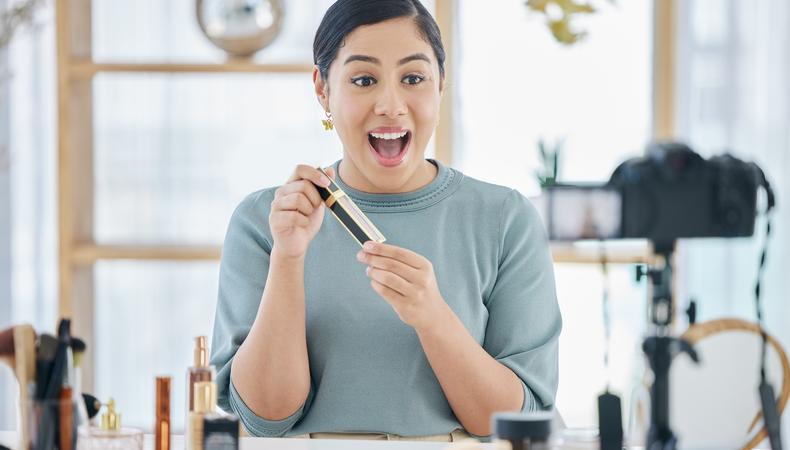
The path you take often depends on where you feel most comfortable performing. Digital ambassador roles play out almost entirely online, and they’re well suited to influencers and user-generated content (UGC) creators who already have the technical skills to produce branded content. A digital influencer may sign a six-month contract to produce a specific number of posts featuring a brand. The goal here is digital reach and measurable engagement.
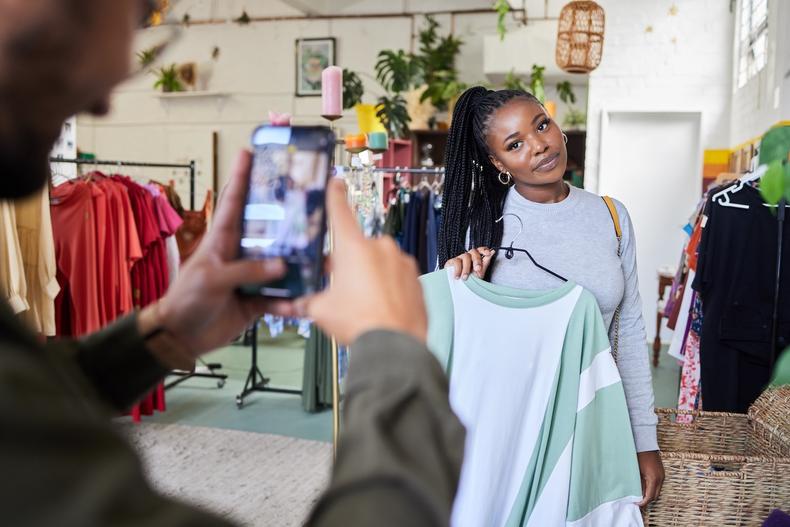
On the other side, field ambassadors take on in-person work at things like festivals, conferences, and in-store events. The roles involve high-energy interactions with real people and an element of performance, which are often a natural extension of actors’ and models’ existing skills.
Almost all brand ambassador roles will involve creating and sharing content online, even those with an in-person element.
One of the most common (and important) questions for anyone starting out is whether brand ambassadors are paid in cash, clobber, or clout. In other words: Do they get a fee, the product itself, or is the reward simply increased exposure?
The answer is usually a mix of all three, depending on your experience level, the brand’s size, and the product or service they offer. Digital products like dating apps, for example, would probably pay a fee or commission since they don’t make a physical product. Entry-level ambassadors often start by receiving free products in exchange for an honest review or a shout-out. Established performers and high-reach content creators typically receive a flat fee or a day rate, which can range from a few hundred to several thousand pounds depending on the scope of work.
According to Indeed.com, the average base salary for a brand ambassador in the UK is currently £27,891 a year. Physical roles at events could pay an hourly rate, typically between minimum wage and £17 (but sometimes more), depending on the complexity of the activation and the brand’s prestige.
Online ambassadors can earn commission from sales generated through unique links and codes, with rates ranging from 5% to 30% of the product price. Some brands pay based on interactions with posts, which is approximately £0.25 per engagement for Instagram.
Lots of companies use a hybrid pay model, combining a flat fee to cover production with a performance-based bonus or commission. That is a popular approach, because it guarantees compensation for costs and isn’t solely dependent on performance.

PeopleImages/Shutterstock
Landing your first gig takes more than just a big social media following. “Our ambassadors don’t necessarily have to have millions of followers,” says Rochana Shrestha, creator manager at Monzo Bank. “Even micro influencers (a few thousand followers) can work if they have a niche and their audience loves them.”
Ready to use your talents to help your favourite brand succeed? Here’s how to get started.
1. Pinpoint your passions.
Brands look for ambassadors who naturally fit their aesthetic. If you’re an actor who loves fitness, focus on health and wellness brands. If you’re a model with a passion for sustainable fashion, your portfolio should reflect that. It works both ways, so look out for brands you genuinely want to promote too.
2. Build your personal brand.
Curate your social media channels to catch the eye of the brands you want to represent. They’re looking for people who can position their products as part of a particular lifestyle, so help them understand how you fit into the culture.
3. Increase audience and engagement.
A strong online presence is a must for aspiring brand ambassadors, whether you’re a creator or not. Grow your following by regularly posting high-quality content, engaging with relevant accounts, and staying up to date with trends. It’s not just about followers; brands will often be guided by engagement (likes, comments, shares) and the sorts of people you appeal to.
4. Build a media kit or portfolio.
Just as you have an acting CV, you need a media kit to showcase your experience and give brands a feel for who you are. It should include your social media statistics (engagement rates, not just follower counts), high-quality headshots, and examples of any promotional work or user-generated content you’ve created.
5. Engage with brands authentically.
Before applying for a role, start tagging the brands you already use in your posts. Authentic affinity is a huge selling point; a brand is much more likely to hire someone who’s already a genuine fan of their products. Beware the blanket message! It’s obvious to a company when you’ve copied and pasted a message to lots of brands, so be selective and personalise direct messages to show them you’re in the know.
6. Use specialised job boards.
Don’t wait for a DM to hit your inbox. Actively search for branded content jobs and promotional opportunities on platforms dedicated to performers and creators.
Becoming a brand ambassador is a great way for performers and creators to fill gaps and plug income between jobs, while building a profile and network. Getting people excited about a brand calls for lots of the same qualities as acting, modelling, and content creation, such as authenticity, charisma, and a passion for storytelling.
If you’re willing to take your personal brand as seriously as the one you’re backing, it may not be long before your face comes to mind at the mention of their name.