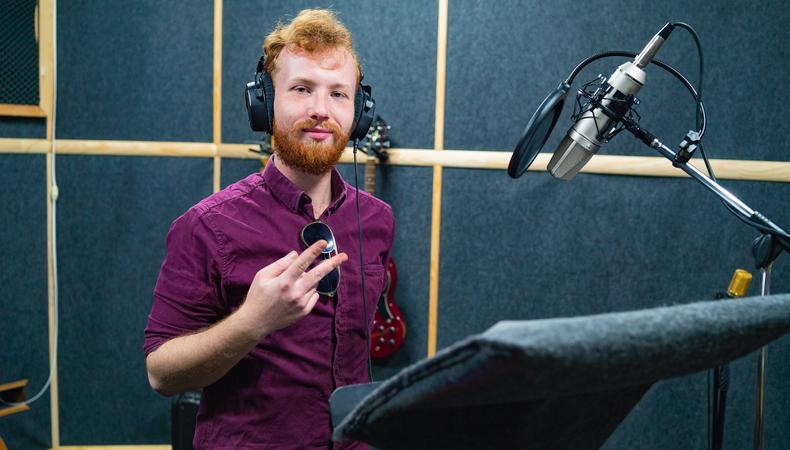
Buzz Lightyear. Peppa Pig. Wallace and Gromit. Bluey. They are some of the most legendary faces in TV and film. But what about the people who voice them? The job of a cartoon voice actor is to bring to life animated characters, and if their animated counterpart becomes well loved enough, they may just become a faceless hero for eternity.
How do you actually become a cartoon voice actor in the UK? Whether you’re aiming to voice the next big preschool TV series or star in an animated video game or feature film, here’s everything you need to know.
JUMP TO
Like most acting careers, cartoon voice work is a craft that takes training, practice, and a lot of persistence. From the outside it may look like a closed world, but there are ways in if you’re prepared to do the ground work.
1. Start acting
To become a voice actor, you’ll first need to develop your acting skills. You obviously won’t be seen if you’re voicing a cartoon, but that doesn’t mean your voice is the only thing you should focus on. It could be worth training as an actor in a more traditional sense, through drama school training or acting classes, which work on both your physicality and your voice.
2. Train your voice
Training your voice is essential if you want to be a voice actor for cartoons. Consider enrolling in a voice-training programme. LAMDA, for example, offers a short introductory course in audio performance.
Work on honing different accents, how you create character through your voice, vocal stamina, and microphone technique. Learn how to adjust age, energy, and personality without damaging your voice. Your voice is a muscle, so you have to train it!
3. Build a home recording setup
You don’t need a professional studio to get started, but investing in some equipment will help your auditions sound professional. We suggest:
- A quality USB or XLR microphone
- Headphones
- Basic recording software
- A quiet recording space
“The quality of your sound is paramount to your success with auditions, so use the best materials you can afford to soundproof your home studio,” says Gravy for the Brain, a networking platform for voice actors. A duvet fort may not look glamorous, but plenty of actors have improvised a quiet recording space using a duvet and a table.
4. Create a voice reel
A voice reel is essential if you want to be a voice actor. For cartoon work, make sure you include several distinct character performances rather than just a single narration sample. Showcase range, emotion, and personality. “Without [a voice reel], casting will have no idea how you sound,” according to a post on Actorsite. “When you submit for projects, they’ll be much less likely to request an audition from you without proof of your previous work.”
5. Start auditioning
The only way you can get a job is through auditioning. Once you have your reel ready, it’s time to start looking for audition opportunities. Many opportunities are posted through casting platforms, talent agencies, and production companies. Student cartoon and independent animation projects are also a great way to gain experience and build your credits.
6. Network
Networking may feel painfully awkward, but it’s a great way to build up contacts within the industry. Attend events, festivals, conventions, and voiceover workshops. Connect with directors, producers, and fellow performers. As frustrating as it may feel, it’s all about who you know.

Anton27/Shutterstock
Come prepared
Like with every acting audition, practice makes perfect. Rehearse your material as much as you can before the big day, because feeling familiar with it will make you stand out from the crowd. Think about who your character is, what they sound like and why, and the demographics they belong to. Be as specific as possible, and if a visual description of your character is included in your audition pack, don’t forget to use it as a guide.
Get your equipment ready early
Recording quality is almost as important as your actual voice for a cartoon VO audition. Make sure everything is set up, you know how to use it all, and you give yourself plenty of time in advance of the deadline to record.
Think about what you wear
You won’t be seen during a voice recording, but what you wear is still important. Avoid any noisy jewellery that may be heard on the tape, and wear clothes that won’t make a sound if you move.
Warm up
Don’t forget to warm up before clicking the Record button. Do some gentle sirens or scales to warm up your voice, and drink lots of water to stay hydrated. “As any performer knows, your voice is your instrument. And, like any instrument, it needs careful preparation,” writes Italia Conti.
Like most acting jobs, the rate you’re paid for cartoon voice work can vary widely. “Voice actors in the UK typically earn from around £30 for small IVR jobs to £1,500+ for national TV commercials,” writes voiceover artist Martin Whiskin. “Experienced professionals and regular commercial work can push annual earnings into the £30,000 to £100,000+ range.”
The job site Indeed, however, says the average salary for a voice actor in the UK is £11,332 per year, suggesting you may need to supplement your income with other kinds of work.
Animation has produced some of the most recognisable voices in entertainment – even if you may not recognise their faces. Here are some of the most famous.
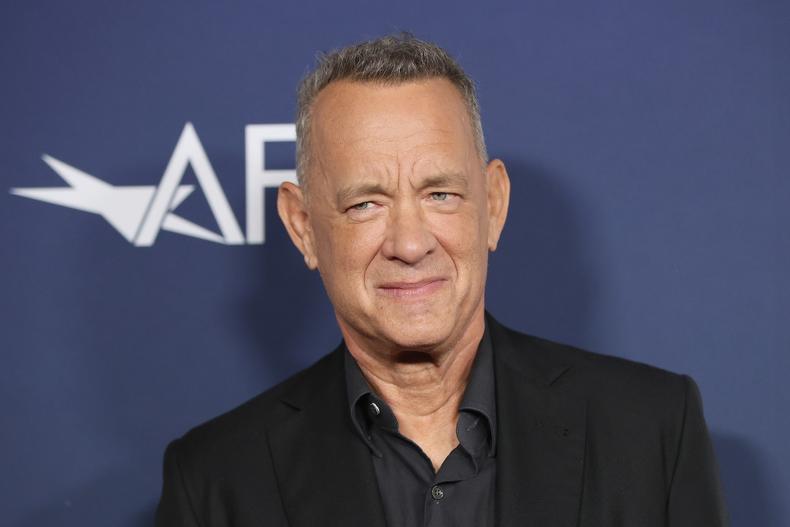
Tom Hanks
As Woody’s voice throughout the Toy Story franchise, he is known and loved all across the world. Hanks is an actor you’d recognise for his on-camera credits, but his voice as Woody is equally memorable.
Credit: Joe Seer/Shutterstock
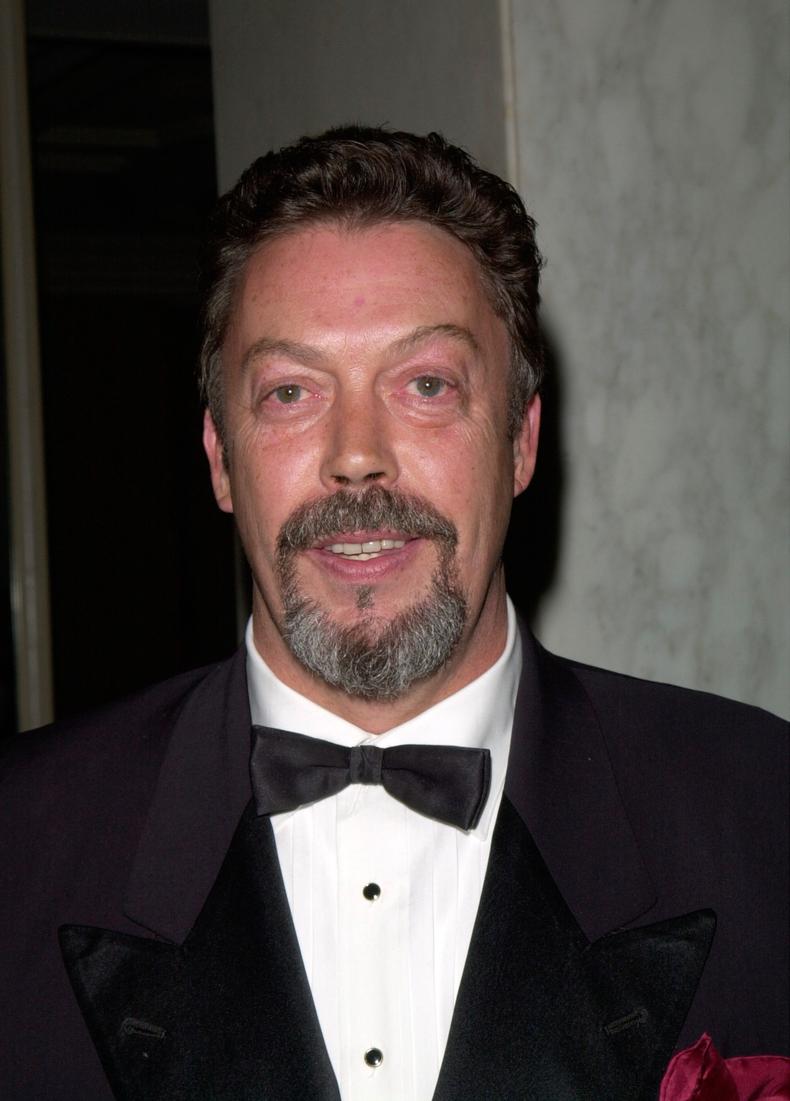
Tim Curry
One of the country’s most distinctive voice actors, Curry has lent his unmistakable voice to a huge range of animated projects over the course of his career. Many will know him from The Rocky Horror Picture Show and Clue, but animation fans will recognise him as the bumbling Nigel Thornberry in The Wild Thornberrys.
Credit: Featureflash Photo Agency/Shutterstock
Tara Strong
One of the most prolific cartoon voice actors working today, Strong has voiced characters in The Powerpuff Girls, Ben 10, Teen Titans, and The Fairly OddParents. She advises people who are thinking about voice acting to “learn how to be successful at it before you make a big life change.… Networking is really important.”

Credit: Featureflash Photo Agency/Shutterstock
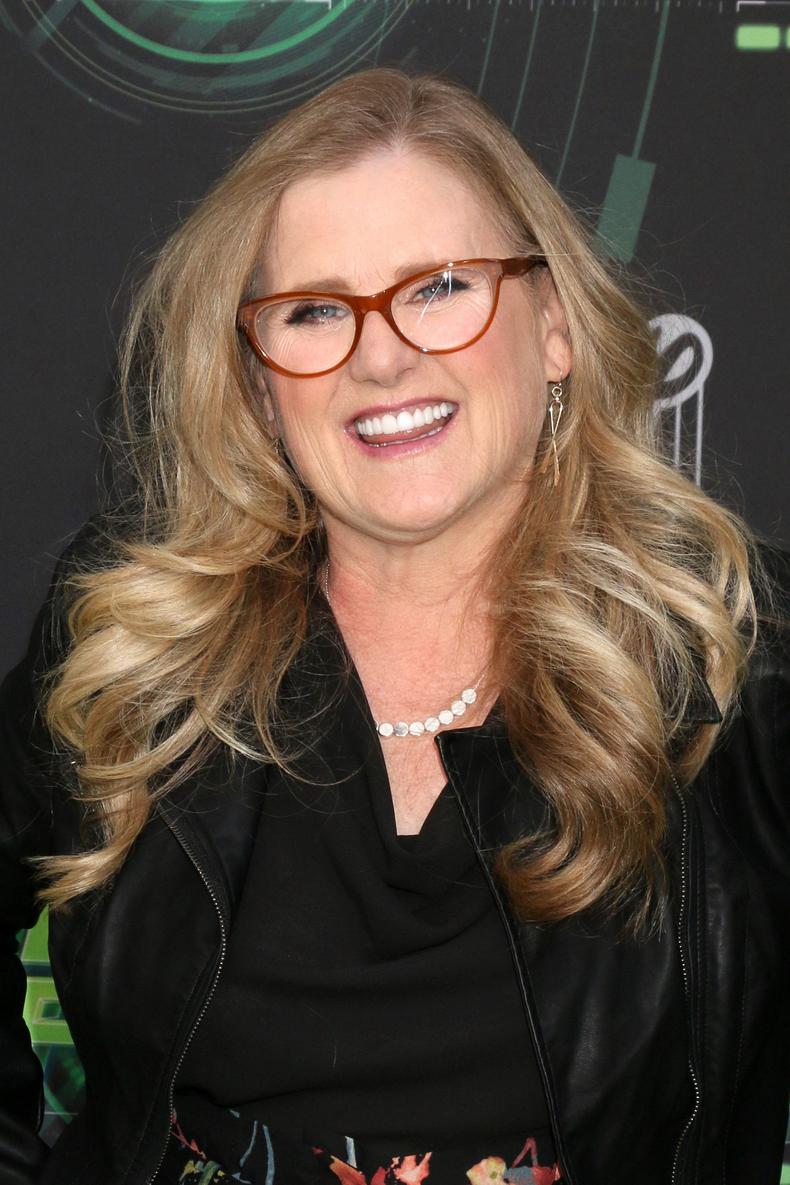
Nancy Cartwright
Best known as the voice of Bart Simpson, Cartwright has spent decades proving that animated characters can become genuine icons. “With a computer and with a good microphone and with an imagination, you could create anything,” Cartwright says. “You don’t have to buy a $2,000 microphone to do what you’re doing. You could do it from your iPhone, for crying out loud.”
Credit: Kathy Hutchins/Shutterstock
If you’re serious about becoming a cartoon voice actor, it’s worth keeping an eye on the studios producing animation.
Aardman
The Bristol-based studio behind Wallace and Gromit, Chicken Run, and Shaun the Sheep remains one of the UK’s most celebrated animation companies.
Blue Zoo Animation Studio
Known for children’s programming, including The Smeds and the Smoos and Numberblocks, Blue Zoo has become a major force in British animation.
Cartoon Saloon
It’s based in Ireland, but Cartoon Saloon’s work, including Wolfwalkers and The Secret of Kells, has had a huge impact across the UK animation sector.
Disney Animated Studios
Disney remains one of the biggest employers of animated voice talent globally. Their recent titles include Zootopia, Moana, and Strange Magic. The studio’s first feature film was 1937’s Snow White and the Seven Dwarfs.
DreamWorks Animation
The studio behind Shrek, How to Train Your Dragon, and Kung Fu Panda continues to produce major animated projects featuring performers from around the world. So far, the studio has released 54 feature films.