You want to be the next Jourdan Dunn, Adwoa Aboah, or Cara Delevingne? British star models aren’t made overnight. It takes time, persistence, and a little bit of luck.
How do you start modelling? In this highly competitive industry, there’s an element of faking it until you make it. There are no required qualifications, no exams for which to revise, and no single approved route. Alongside a few steps (such as putting together a portfolio), you just have to start calling yourself a model!
That way people will start seeing you as a model, and the movers and shakers in the industry will hopefully start hiring you too.
Demand tends to be highest for models between 16 and 21 years old, but your modelling career isn’t over if you don’t fit into that category. You can also find work in lots of areas as a mature model (if you’re over 35), a child model (if you’re under 16), or a commercial model in the UK.
Here are some of the main types of modelling:
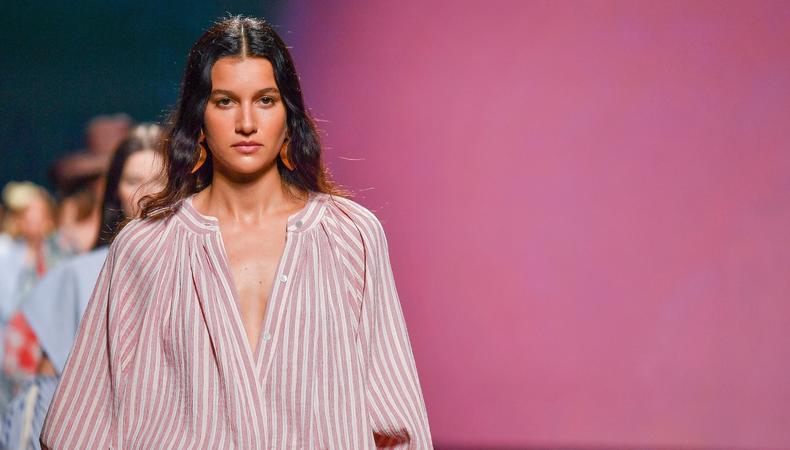
Runway: This is a showcase of clothing and accessories in a live setting, with models wearing different outfits. Your walk and your attitude are everything with this kind of modelling. You may start with a student show or a charity event for secondhand items, and end up walking for London Fashion Week.
Fashion/editorial: This kind of modelling in the UK tends to involve photo shoots for fashion magazines (think British Vogue, i-D, or Harper’s Bazaar UK). It’s a very creative and often glamorous side of fashion, but it is often not very well paid. Featuring in a top magazine, however, can give you great exposure and lead to lucrative commercial contracts. Requirements for this kind of modelling can be strict, although it’s possible to carve out a niche as a curve or plus-size model, like Londoner Alva Claire.
Fit modelling: This is a subcategory of fashion modelling in which you work directly with designers as they create the clothes and fit them to your body. It’s literally like being a live mannequin! You need to be able to stand for long periods of time.
Commercial modelling: From fashion to lifestyle and beyond, commercial modelling is where you model a product for e-commerce websites, print catalogues, and even big billboard campaigns. It’s how most models sustain a modelling career. Many kinds of models and looks are accepted, because brands look for talent who resemble their clientele.
Parts modelling: Parts modelling is where you model only a specific part of your body, such as hands or feet. You could be modelling fashion items like jewellery or shoes, or products like food or mobile phones.
Athletic modelling: This is where you model athletic clothing and equipment used for sports and workout purposes. Also known as fitness models, talent in this field are typically toned or muscular and required to take part in sporting activities during shoots.
1. Let your passions guide your niche.
If you want a successful modelling career, you need to think about what kind of modelling will suit you best. Think about your passions. If you want to be a fashion model, for example, it’s better if you have a love of fashion. If you want to be an athletic model, you have to love exercise and sports. Models typically show off all sorts of products, and you’ll struggle to sell yourself to clients if you aren’t really interested in their field.
2. Build a network.
If you’re new to modeling in the UK, making friends with up-and-coming creatives is a great starting place. Seek out photographers, designers, stylists, and makeup artists – who are either professionals or aspiring to be so – and arrange some collaborative photo shoots. Working with other people who are at the same level as you means you can all help each other out as you navigate the industry together.
3. Create a portfolio.
You’ll need a portfolio (also known as your “book”) to show at castings so casting directors can see how well you photograph. You’ll want a range of images, but make sure to include full-length, three-quarter, and a face shot. If you want to be a parts model, make sure you include shots of those too. You may want to invest in creating some comp cards as well.
4. Curate your socials.
One of the most important areas when considering how to start modelling is your online presence. The internet is often the first place people look to check out new models. Make sure your digital footprint makes the right kind of impact. Check what comes up when you search your name and align any account bios or profiles with your modelling career.
5. Approach an agency.
It’s possible to attend open casting calls as an independent model, but you’ll need the support of an agency with a bumper book of contacts if you want to take your modelling career up a notch. There are lots of agencies all over the UK, and most have submission forms on their websites – but there’s no harm dropping off a portfolio in person if you’re nearby.
6. Go to castings.
Once you’ve got a few pictures in your portfolio, it’s time to start attending some castings! This is an important part of being a model, so the more experience you get, the better. Search on job boards and brands’ social accounts, and ask people in your network. Take your book, a couple of comp cards, and dress to impress.
7. Stay safe.
From scams to working with strangers, modelling can put you in vulnerable positions. Make sure you share shoot or meetup details with someone you trust, or even bring a trusted friend or family member with you. To avoid getting scammed by a fake agency or scout, make sure to double check all their information, research them online, and run it by a friend or parent.
8. Be rejection proof.
For anyone wondering how to become a model in the UK, you need iron-clad self-belief. It’s a competitive industry and it’s not always obvious why agencies, clients, and casting directors choose or reject the talent they do. Many top models faced years of rejection before they made it big, including Agyness Deyn and Linda Evangelista. “One needs charisma and persistence,” Paul Rowland, president of Ford Models, told 10 Magazine. “Believing in oneself [will make] others believe in you as well.”