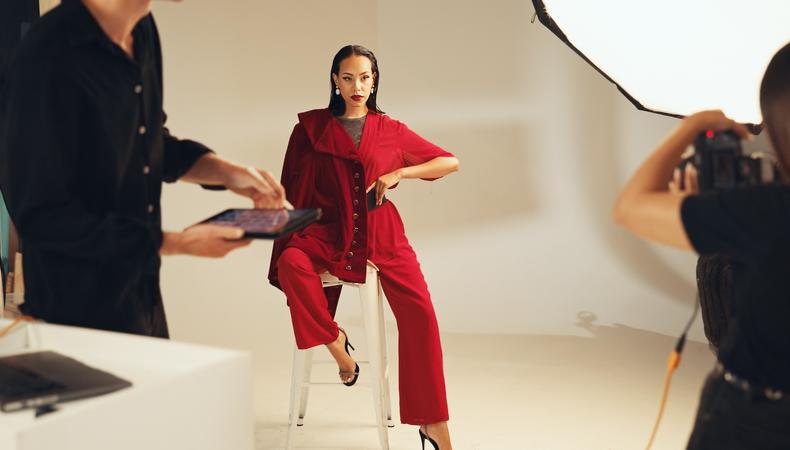
The modelling industry is as vast and varied as the products and services it showcases, from fashion and lifestyle to finance and health care. And since models need to represent the faces who work in those fields, different roles require different types of models.
You don’t have to be a one-trick pony either. Many models evolve and change the type of modelling they do as their careers progress – and some do multiple at the same time!
If you’re thinking about becoming a model, understanding the different types of modelling can help you decide where you want to go with your career. Whether you’re interested in fashion, advertising, fitness, or events, there’s a modelling niche to suit you. And you can find jobs for each type on our open jobs board.
Here are 15 different types of modelling and what each one involves.
1. Runway model
Runway modelling involves showcasing clothing and accessories at live fashion shows. Success in this field depends on your walk, posture, confidence, and ability to bring a designer’s vision to life on the catwalk.
London Fashion Week is the most high-profile catwalk showcase in the UK, but there are also opportunities at local fashion weeks, regional shopping centres, student fashion shows, and charity events.
2. Fashion and editorial model
Editorial modelling is the high-fashion side of the industry, typically involving photo shoots for fashion magazines such as Vogue, Elle, GQ, and Grazia. These shoots are often creative, artistic, and trend-driven.
Editorial work isn’t always the highest-paying kind of modelling, but it can provide valuable exposure and help build your reputation within the fashion industry. Requirements can be more specific than in other sectors, although there is increasing demand for diverse talent, including mature and plus-size models.
3. Fit model
Fit models work closely with fashion designers and clothing brands during the garment-development process. Rather than promoting finished products, you’ll help designers assess how clothing fits and moves on a real body.
Consistency in your body measurements is particularly important in this role, because brands often rely on fit models throughout an entire collection. Patience and the ability to stand for long periods are essential.
4. Commercial model
Commercial modelling covers lots of kinds of modelling on this list. It is one of the largest and most accessible areas of the industry, encompassing advertising campaigns, catalogues, e-commerce photography, brochures, billboards, and social media content.
Brands often want people who reflect their customers, which means there is demand for a wide range of ages, appearances, and body types. For many professional models, commercial work provides the bulk of their income.
5. Parts model
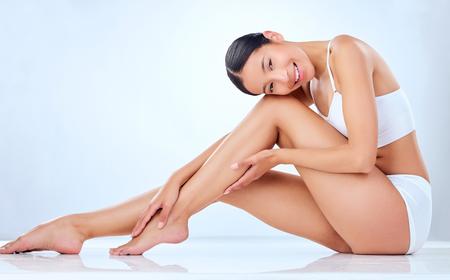
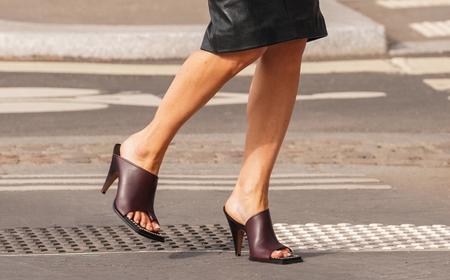
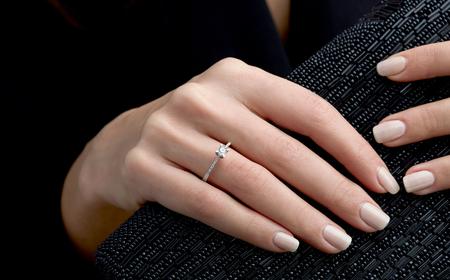
Parts models specialise in showcasing a specific feature, such as hands, feet, legs, eyes, or hair. You may model jewellery, watches, cosmetics, footwear, food products, or technology. Attention to detail is crucial, because clients often require flawless presentation of the featured body part. In other words, it shouldn’t distract from the product.
6. Fitness model
Athletic or fitness models promote sportswear, activewear, gym equipment, and health-related products. The work often involves demonstrating exercises or participating in sporting activities during shoots. These types of models have a strong, healthy, and athletic appearance, along with the stamina to perform physically demanding tasks on set.
7. Promotional model
Promotional models represent brands at live events such as trade shows, exhibitions, product launches, and sporting events. Unlike other event modelling, such as runway modelling, this role is highly interactive. You may be speaking to members of the public, demonstrating products, or helping generate interest in a brand. Strong communication skills and a friendly, energetic personality are key.
8. Hair model
Hair models work with salons, hairstylists, and hair-care brands for photo shoots, advertising campaigns, demonstrations, and live competitions. Hair modelling can be a good option for aspiring models with healthy hair who don’t meet traditional height requirements. Because your hairstyle and colour will need to change regularly, it isn’t a good choice for anyone with a sensitive scalp, fragile hair, or long hair that you don’t want to cut.
9. Child model
Child modelling includes campaigns for kids clothing, toys, family-friendly brands, and children’s products. Depending on their age, children may appear in advertising, catalogues, television commercials, and social media campaigns.
The regulations are stricter for child models than for other types of modelling. If you are under school-leaving age, you are required to have a chaperone on set and you may need a license.
10. Mature model
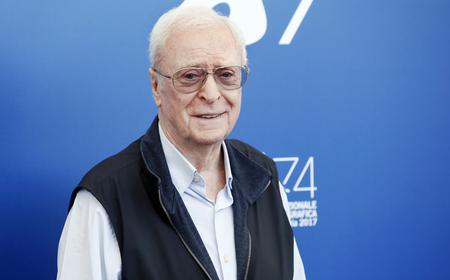
In a regular sense, “mature” may suggest someone with silver hair and expression lines. In modelling, however, the term refers to talent aged 35 or over, although it also incorporates models in their 80s and 90s. This kind of modelling used to focus heavily on products such as pensions, care homes, and cruises, but demand for mature models across different areas has grown as brands move toward greater age diversity. This type of modelling now includes advertising campaigns for fashion, travel, and lifestyle, as well as health care, finance, and products for older audiences.
11. Couples and family modelling
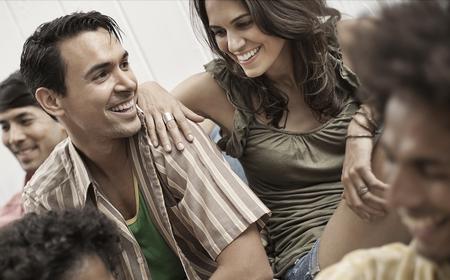
Couples and family modelling involves working alongside your real-life partner or immediate family in commercial campaigns, lifestyle photography, and other types of advertising.
Brands often use genuine couples or families to create authentic, relatable imagery for products and services ranging from holidays and homeware to financial services and fashion. Call-outs for couples and families are often advertised as open casting calls.
12. Real people modelling
Real people modelling focuses on authenticity rather than the standards of traditional types of modelling. Clients look for individuals who represent everyday consumers and diverse communities, rather than those who adhere to high-fashion beauty standards.
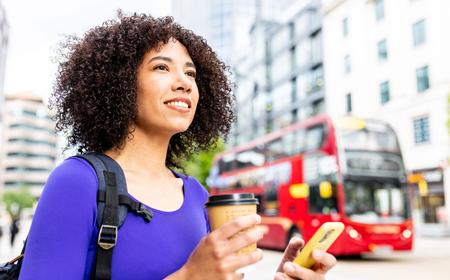
You don’t necessarily need previous modelling experience, which makes this an excellent entry point for newcomers. Campaigns often feature people of different ages, ethnicities, body shapes, and professions. What’s more, the demand for “real” people is rising in tandem with that for user-generated content (UGC).
13. Plus-size modelling
Plus-size (also known as curve) modelling is for models who are a UK size 12 or above. There are some concerns that plus-size modelling has taken a hit in the past few years, these models are still in high demand in the UK. Plus-size models typically work across fashion, commercial advertising, e-commerce, and editorial shoots.
14. Freelance modelling
Freelance modelling refers to working independently rather than being represented exclusively by an agency. Being a freelance model encompasses all other types of modelling, except you don’t rely on an agent. Instead you have to source opportunities, negotiate rates, and manage your marketing by yourself. This route offers flexibility and greater control over your career, but it also requires strong business skills, organisation, and self-promotion.
15. Lingerie and swimwear modelling
Part of fashion modelling, lingerie and swimwear modelling is where models pose in underwear, bikinis, or swimming costumes. Body confidence and a well-maintained physique are important, but the industry is much more size-inclusive than it used to be. Still, the nature of lingerie modelling can make you more vulnerable to scams. To be successful, you need to be good at setting boundaries and advocating for yourself to stay safe on set.