When you think about acting in the UK, your focus may zoom to London. The capital has an array of drama schools, film studios, and theatres, but that doesn’t mean it’s the only place you can build a career. With its long tradition of producing standout screen and stage talent, Birmingham, the UK’s second city, is not to be overlooked. If you’re thinking of developing a career there, you’d be in good company.
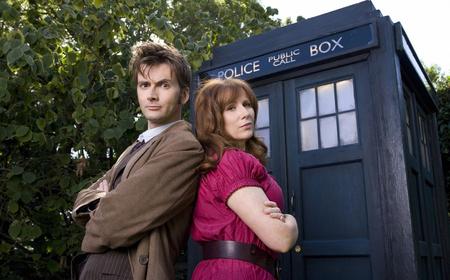
Some of the country’s most celebrated talent started their dramatic journeys in Birmingham. Doctor Who’s Arthur Darvill was born and raised in the city, and even attended local youth theatre Stage 2. Oscar-nominated actor Felicity Jones grew up in Bournville, while Adrian Lester began his acting career with the Birmingham Youth Theatre. And let’s not forget that the city produced Julie Walters, now a national treasure, with film credits including Mamma Mia!, Billy Elliot, and Educating Rita.
If you’re hoping to follow in their footsteps and become Birmingham’s next big acting export, here’s how to get started.
JUMP TO
Some actors manage to jump straight into the business, but most will benefit from at least a bit of training – whether it’s at drama school or local performance groups. They help build confidence, teach you how to collaborate, and widen your dramatic skills. In Birmingham, there are several institutions at which you can develop as an actor.
For full-time drama training, check out the Royal Birmingham Conservatoire. The school offers BA and MA courses in acting and professional voice practice. To earn a place, there is a competitive audition process.
Other respected institutions include Birmingham Ormiston Academy (BOA), a specialist sixth form and school that prepares 14- to 19-year-olds for work in acting, musical theatre, and the TV and film industries. “BOA is definitely the place to be. It’s brand new, and the facilities are amazing,” singer Jessie J said of BOA when it opened its doors in 2011.
If full-time education is not what you’re looking for, you’ll find excellent part-time options all across the city. Stage2 Youth Theatre has classes every Sunday and puts on full-scale productions each term. It’s where Darvill and Lauren Crace, of EastEnders, learned their craft. Darvill thanked Stage 2 in his speech after winning an Olivier Award. “I went to an amazing youth theatre in Birmingham called Stage 2, and I have a lot to thank them for,” he said.
There are opportunities for adults to take their first steps here, too, including at the MAC, which runs classes in writing, acting, songwriting, and improv for all age groups.
The best way to learn how to become an actor is to get out there and actually do it. Birmingham has an exciting grassroots theatre scene, where anyone, regardless of their level of experience, can get involved.
Birmingham Repertory Theatre’s Young Rep is where many local actors get their start. Many of the company members get involved in full-scale, professional productions. The Rep also runs mentorship schemes, offers work experience placements, and, for young adults, runs the Company, which meets once a week “to develop, challenge, and nurture performers, preparing them to be the next generation of leaders within the cultural industry.”
Pub theatre the Old Joint Stock is known for its cabaret, comedy, and fringe-style programming, so reach out to its team if you have a show ready to stage. The Crescent Theatre regularly casts local talent in both classic and contemporary work, welcoming newcomers to audition for its main stage shows.
Local theatre company Women & Theatre advertises that it’s “always interested in meeting and working with new collaborators,” while the Hippodrome’s New Musical Theatre department (which The Stage calls the first of its kind in the UK) runs regular events called Playspaces, during which artists have access to a space at the Hippodrome to try a new idea.
There’s been a recent boom in film and TV production in the Midlands, particularly with the opening of Digbeth Loc Studios in 2023. BBC’s Doctors has been filming in Birmingham for over two decades and regularly casts local talent, while ITV’s DI Ray, shot in the city, could also be a great show on which to pick up some extra work.
Getting screen experience often starts by taking roles in budget student or indie films. Look out for casting calls from Birmingham City University, MetFilm School Birmingham, and the University of Wolverhampton’s film students, as well as Birmingham-specific listings on casting sites.
You can also sign up for casting databases on Facebook, such as the Birmingham/Midlands Acting Group. And don’t forget that social media platforms such as X and Instagram are where many local filmmakers post callouts for actors.
Acting – specifically, the periods between gigs – can be a lonely business, especially when you’re just starting out. Surrounding yourself with like-minded creatives makes a huge difference in both motivation and future job opportunities and collaborations.
The community group Hippodrome Creatives, which enjoys free rehearsal space at the Hippodrome, is a great place to meet people and make new friends (and potentially future colleagues!). You won’t be paid, but it’s a great way to stay creatively active, gain experience, and make industry connections. Similarly, taking a course at the MAC is a chance to be introduced to a whole new group of people.
Don’t underestimate the value of open mic nights, scratch performances, and improv jams. They’re often where actors find directors, producers, and new collaborators. Venues such as the Old Joint Stock host musical theatre open mic nights, while Monologue Slam is a national competition with rounds in Birmingham that you can enter every year. Nathan Queeley-Dennis’ Bruntwood Prize–winning play, Bullring Techno Makeout Jamz, even had its beginnings at the competition. “I got good feedback, but I didn’t win,” Queeley-Dennis says. But look where it got him!
You could also get a job as a runner or production assistant on a film set to make useful connections. At the end of the day, it’s often about who you know.
The first thing to know is that you don’t need an agent to work as an actor. But having one can definitely help to get you in the room for auditions. Agents may put you up for roles you wouldn’t otherwise see, and they’ll advocate for better pay and contracts. Bear in mind: You’ll have to give them a proportion of your overall fee.
Most agents are based in London, but if you want to work in Birmingham, a local agency will likely be more tapped into the city’s scene. UYA is a boutique Midlands-based agency, while Red Talent Management has the advantage of both a Midlands and London base.
It is also worth looking at which agencies will travel to Birmingham to see your work, since that suggests a national outlook rather than a London-centric one.
Always remember to be prepared when approaching an agent. In your email, you should include your acting CV, headshots, and a showreel with clips from your previous acting work.
You don’t need to relocate to start your acting career. Birmingham has everything you need: the creative infrastructure, the opportunities, and the community. From local theatre and odd jobs on student films to big-budget TV shows, there’s plenty here to keep you busy.