In the world of film and TV production, a shot list is an indispensable tool – once you know how to use it. But at a glance, it can seem daunting, filled with technical terms and minute details. Here, we take a look at what a shot list is, what it contains, who uses it, and why it matters.
JUMP TO
The earliest films, appearing in the late 1800s, captured everyday things in motion, like a horse galloping or people walking. They were all shot by a single camera at a single angle.
As filmmakers like Georges Méliès and D.W. Griffith began exploring the storytelling potential of film, there came a realisation that storytelling could best be achieved through varied shots and angles. This exploration coincided with advancements in filmmaking technology, including a wider variety of lenses, cameras, and rigs (the equipment that holds and moves a camera), as well as improved editing techniques. These innovations allowed for greater artistic expression but also introduced the challenge of managing numerous shots and pieces of equipment.
Out of this challenge, the shot list was born, providing a way to plan and organise the increasingly complex process of filmmaking.
In essence, a shot list is exactly what it sounds like: a list of all the shots needed to capture the scene. In practice, there are a number of other things that are included on the list to make the job of capturing what needs to be captured as easy and organised as possible.
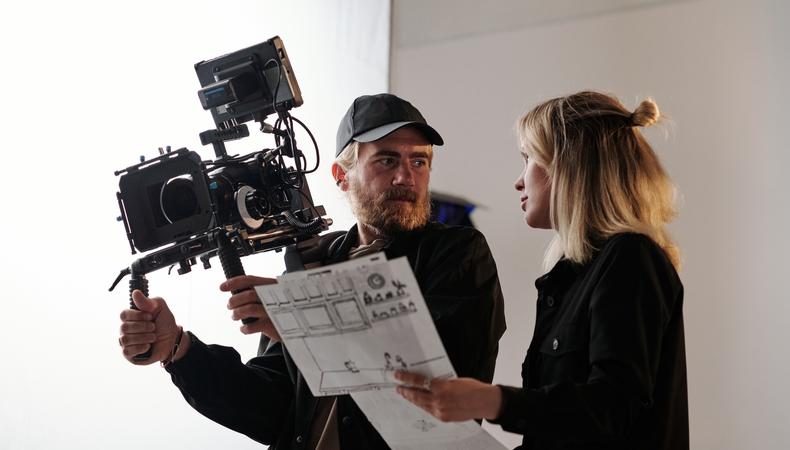
A shot list is really a road map, put together by both the director and cinematographer, showing how to get from the idea of a film to having all the footage they need ‘in the can.’ A well-constructed shot list helps streamline the shooting process, reducing the need for costly reshoots and minimising on-set confusion.
So, what should a shot list contain?
Grusho Anna/Shutterstock
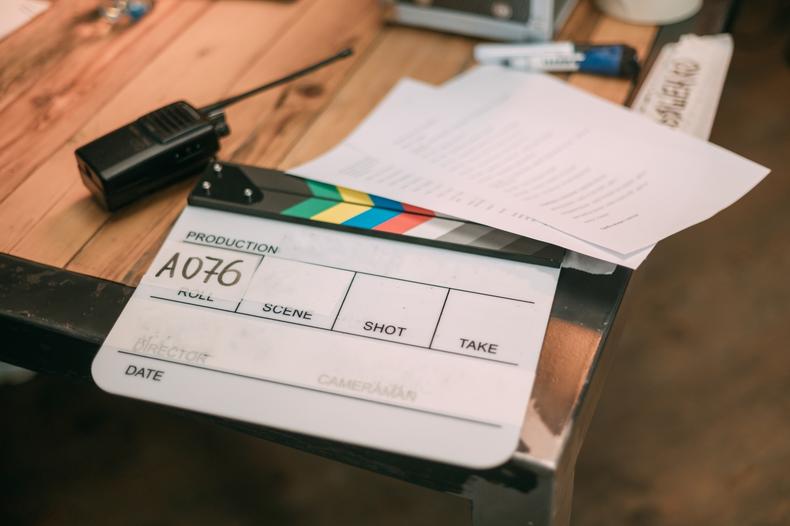
Though the contents and order of a shot list can vary depending on the production's needs, there are several elements which are commonly included:
- Shot and scene number: Unique identifiers for each shot and scene.
- Description: A brief overview of what happens in the shot.
- Type of shot: Whether it requires a closeup, medium shot, or wide shot.
- Camera equipment: The gear needed on set for the shot.
- Camera angle and movement: Details on camera positioning and motion. For example, will the camera dolly in? Is it a tracking shot?
- Duration: How long the shot will take.
- Location and time of day: Specifics about where and when the shot will occur.
- Additional notes: Special requirements like lighting, props, or effects.
The shot list also became a useful tool for managing the high costs associated with film production. Before the advent of digital technology, the number of film rolls used added significant expense to a production. Filmmakers, always under pressure to keep budgets low, tried to minimise wasted footage through careful planning.
This consideration led to the concept of the shooting ratio, which just means the relationship between how much footage was shot and how much was actually used in the movie. When it comes to cost, a shot list’s purpose is to keep your shooting ratio low so you’re not wasting time and money.
For instance, Alfred Hitchcock, who planned his movies very carefully, had roughly a 3:1 shooting ratio, meaning he shot very little film that he didn’t end up using – a good example of shot list filmmaking! Apocalypse Now, on the other hand, directed by Francis Ford Coppola, famously had a shooting ratio of 95:1, meaning more than 230 hours of footage were shot to make the 2.5-hour movie. Another notorious example? Stanley Kubrick shot one scene for The Shining 127 times.
How to create a shot list
While the details will come down to the individual needs of the project, there are some staple things to consider when making a shot list:
- Analyse the script: Begin with a thorough analysis of the script to map out the scenes and shots.
- Collaborate with fellow creatives: Make sure there’s close communication between the director, cinematographer, and production designer so everyone’s on the same page (literally) about what the shot list is for and what should be on it.
- Break down scenes: Divide each scene into individual shots, detailing the necessary equipment, personnel, and other resources needed. Remember, more detail in the shot list means less working it out on the day while everyone is waiting.
- Storyboard it: Use storyboards (a visual representation of how the film will unfold, a bit like a comic book of the film) as visual references to complement the shot list. A storyboard can be a major help when it comes to conveying the intended visual style of the production.
There are numerous tools available to assist in creating a shot list, ranging from simple templates to advanced software. Popular options include Shot Lister, StudioBinder, and Celtx. These platforms offer varying levels of customisation and integration with other production elements, such as scripts and storyboards. Many online platforms have a free version, but you’ll need to upgrade to a paid subscription to access the full list of features.
Shot list examples
Film shot list examples from major movies can be hard to come by. It tends to be smaller-scale filmmakers who selflessly share their list online.

Courtesy gonefishingpictures.wordpress.com
A shot list from the BBC Arena documentary The Chelsea Hotel shows how a basic, pared-down shot list can be practical and informative. The list contains angles, content of the shot, intended duration, camera roll numbers, and a code for the sound setup, but little else (no cast required, no equipment needed, no extra notes), proving that a shot list can be whatever the director and DP decide it needs to be.
Silent Witness director Diarmuid Goggins shared his approach to shot lists in a BBC interview. He starts by reading the script and visualising scenes, which he then translates into a shot list:
“The first thing is when I’m reading a script. Images leap off the page and I scribble them down somewhere. Then as I read again they evolve. The next thing is to go and look at locations to shoot in, and they start to give me more visual ideas. A large window, a staircase, anything can give me inspiration. Each of these individual ideas start to piece themselves into a sequence of shots. Then I write the shot list out.”
This list then forms the basis for storyboarding, which he uses selectively for complex scenes. Goggins also emphasises flexibility, allowing room for on-set inspiration and adjustments.
A shot list is a crucial tool for filmmakers, providing structure and organisation for the creative process. By planning each shot, filmmakers can save time and reduce costs. Whether you're a seasoned or budding filmmaker, mastering the art of the shot list will help you bring your vision to life on the screen.