Few actors seeking their next job want to stay in just one lane – a smarter career-development strategy is to be open to everything from film and TV to theatre and voiceover work.
But for some successful actors, hopping among mediums isn’t creatively juicy enough; they also want to get behind the camera themselves as a film director. After all, a good actor will already have instincts about how a scene works or how to chart a character journey through a narrative.
Making the leap is a little more common in Hollywood. From pioneers such as Charlie Chaplin and Orson Welles to contemporary titans such as Greta Gerwig and Jordan Peele, many movie-making greats started out as actors. It’s a lesser-trodden path in the British film industry, but we have some notable big hitters who’ve successfully turned a talent for performance into the basis for a career as a film director.
Read on to discover how they managed to start that second act behind the camera.
Laurence Olivier
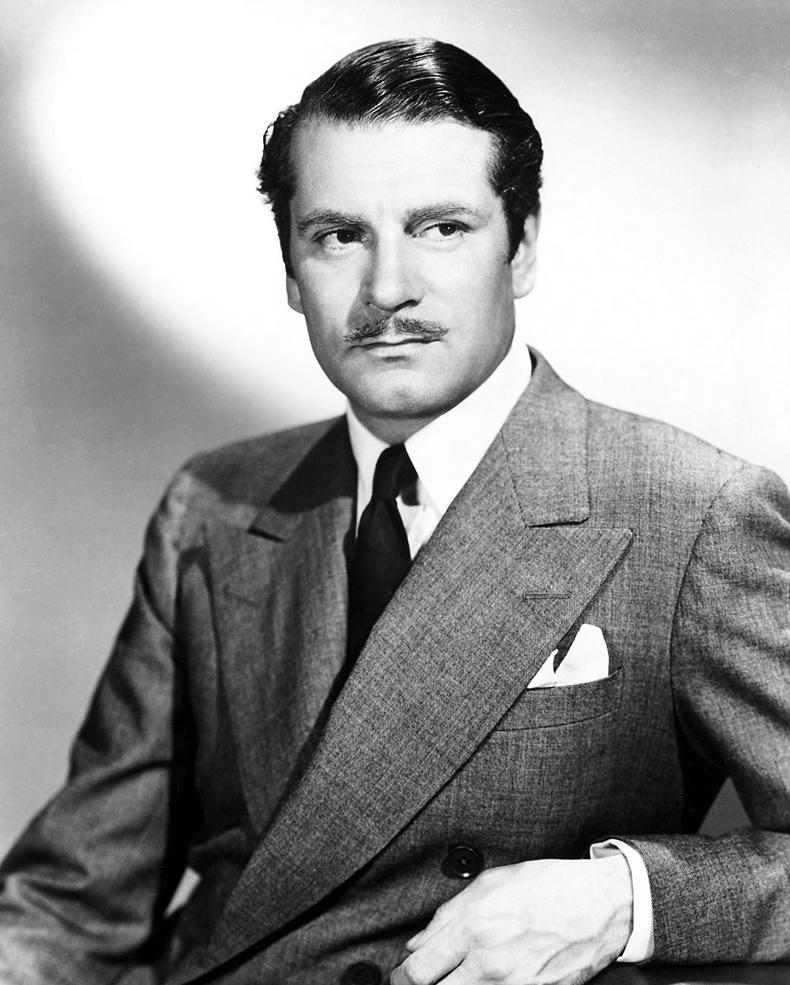
Feted stage actor, Hollywood darling, founder of the National Theatre, and actor-director of a string of big-screen Shakespeare adaptations, Laurence Olivier was the ultimate actor-manager of the 20th century, sticking his fingers in every conceivable pie – usually with wildly successful results.
Having powered his way through most of the main parts in Shakespeare plays onstage, he started directing them onscreen. He completed an influential movie trilogy in which he also starred, naturally: Henry V (1944), Hamlet (1948), and Richard III (1955). Henry V, an enormous box office hit released during wartime, was practically patriotic propaganda for old Blighty, while Hamlet netted Olivier an Oscar for best picture. His Richard III, meanwhile, has been credited with doing more to popularise Shakespeare than any other single work. When it was shown on US television in 1955, between 25 million and 40 million people watched it – which “would have outnumbered the sum total of the play's theatrical audiences over the 358 years since its first performance,” Michael Brooke writes in Screen Online. Not bad!
Credit: Pictorial Press Ltd/Alamy
Kenneth Branagh
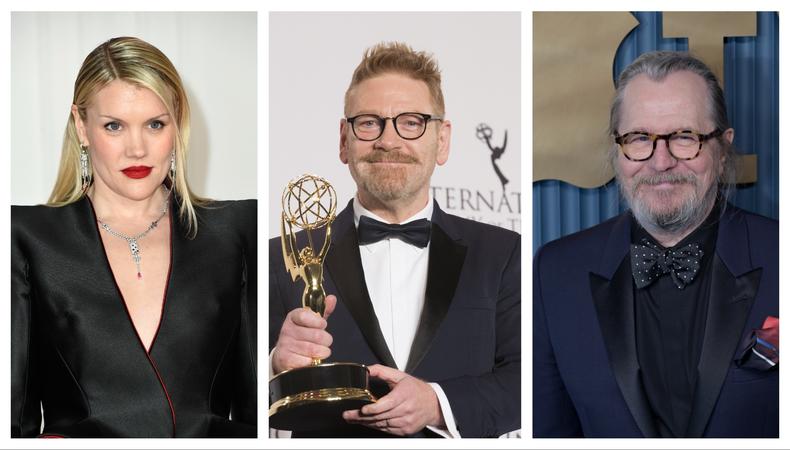
Kenneth Branagh’s career has often been interpreted as one lifelong attempt to out-Olivier Olivier. He’s another stage actor who found acclaim for his interpretations of Shakespeare’s great roles, then pivoted into acting and directing onscreen himself. Like Olivier, his feature film debut was an acclaimed adaptation of Henry V (1989), followed by Hamlet in 1996 (famously a completely uncut and therefore very long version), both of which he also starred in. Branagh also directed three frothier Shakespeare offerings – Much Ado About Nothing, Love’s Labour’s Lost (perhaps misguidedly turned into a musical), and As You Like It – as films throughout the 1990s and early 2000s.
Although Branagh continues to tread the boards and act in front of the camera, his directorial career was no flash in the pan. He’s made some seriously big-budget and high-profile films that have nothing to do with the Bard, from Marvel movie Thor to a live-action Cinderella for Disney to his series of Agatha Christie adaptations.
Emerald Fennell
Looking back at Emerald Fennell’s career, the actor-turned-writer-turned-director seems to have had a charmed run. She got an acting agent while still at university and appeared in shows like Call the Midwife and The Crown. A side step into writing was boosted when, having previously befriended Phoebe Waller-Bridge on the set of Albert Nobbs, she was invited to take over writing for TV hit Killing Eve in 2018.
Directing swiftly followed, when she directed her own screenplay for Promising Young Woman in 2019 – and became the first ever British woman to be nominated for a best director Oscar. Having exhibited a rare ability to tap into the zeitgeist, Fennell went stratospheric with the eat-the-rich satire Saltburn and a hyper-stylised take on Wuthering Heights, both of which generated endless discourse.
Richard Ayoade
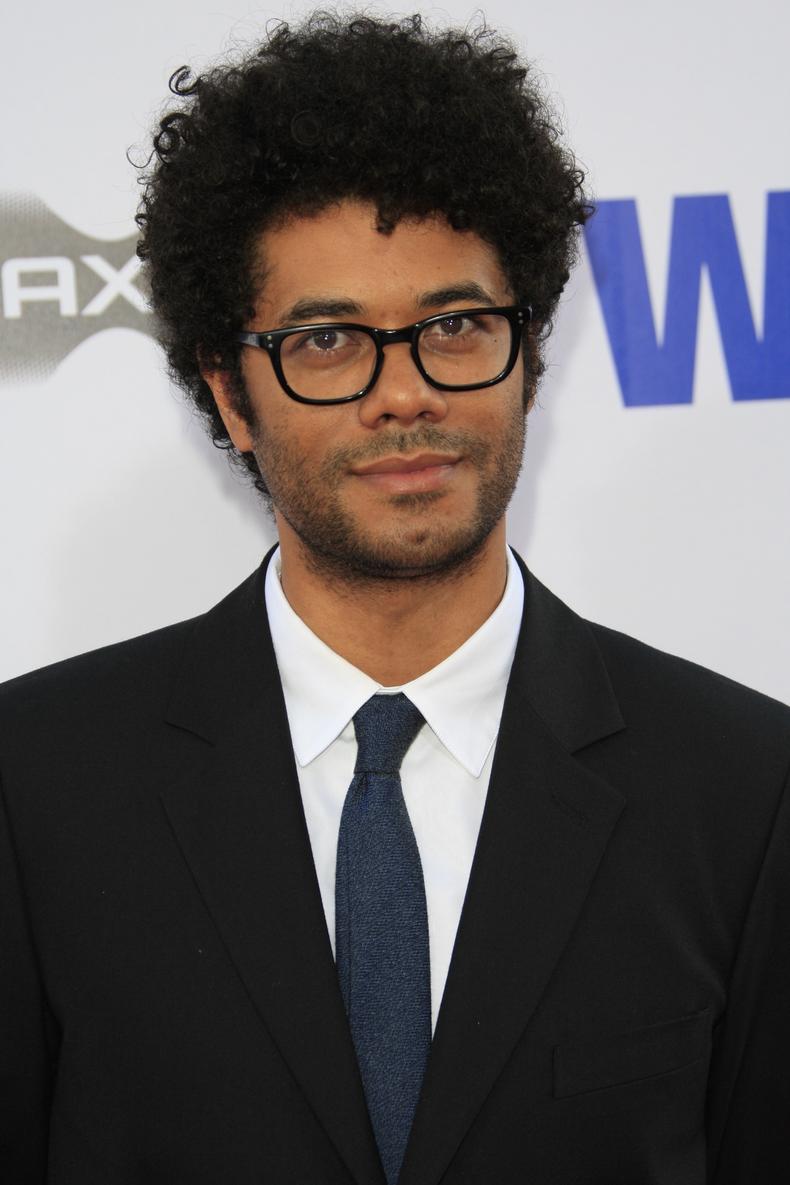
A staple of cultish British TV comedies in the 2000s – including The IT Crowd, Garth Marenghi’s Darkplace, Nathan Barley, and The Mighty Boosh – Richard Ayoade stepped into directing via an unusual route: music videos. He helmed quirky videos for the likes of the Yeah Yeah Yeahs, Arctic Monkeys, Super Furry Animals, and Vampire Weekend via Warp Records, which led to him directing his feature film debut, Submarine, for Warp Films. Ayoade wrote the screenplay, based on Joe Dunthorne’s comic novel, and directed the charmingly wry Brit flick in 2010. The Double, a darkly comic updating of Dostoevsky's novella starring Jesse Eisenberg and Mia Wasikowska, followed in 2013.
We still see Ayoade all the time – he often pops up on panel shows or shows off his impressive poker face on Last One Laughing – fans have long hoped for another serious (or, at least, drily comic) work of cinema from him. Among them is his fellow actor-turned-director Eisenberg, who called Ayoade his “favourite director of all time.”
Credit: Phil Stafford/Shutterstock
Gary Oldman
Oldman is certainly better known for his acting – whether it’s as the gloriously slobbish spy Jackson Lamb in Slow Horses or his fantastically variable film roles, from his Oscar-winning turn as Winston Churchill in Darkest Hour (2017) to inhabiting John Le Carre’s inscrutable George Smiley in Tinker Tailor Soldier Spy (2011). And yet cinephiles may always wonder what might have been. The one and only film Oldman wrote and directed – 1997’s Nil By Mouth – was hugely praised on release, winning Kathy Burke an award at Cannes and winning BAFTAs for best British film and best original screenplay. Inspired by his own working-class upbringing in South London, it’s a grisly depiction of family dysfunction, and for 16 years it held the honour of being the sweariest movie ever released, with 428 uses of the word “fuck” and 83 “cunts” (it was eventually eclipsed by The Wolf of Wall Street in 2013).
The reason Oldman never made a second movie is quietly admirable: He refused to play the game of casting big-name stars or following studio whims. “I’d rather it sit on the shelf than make it for the sake of making it and look at it and say I compromised,” he told the Independent.
Alice Lowe
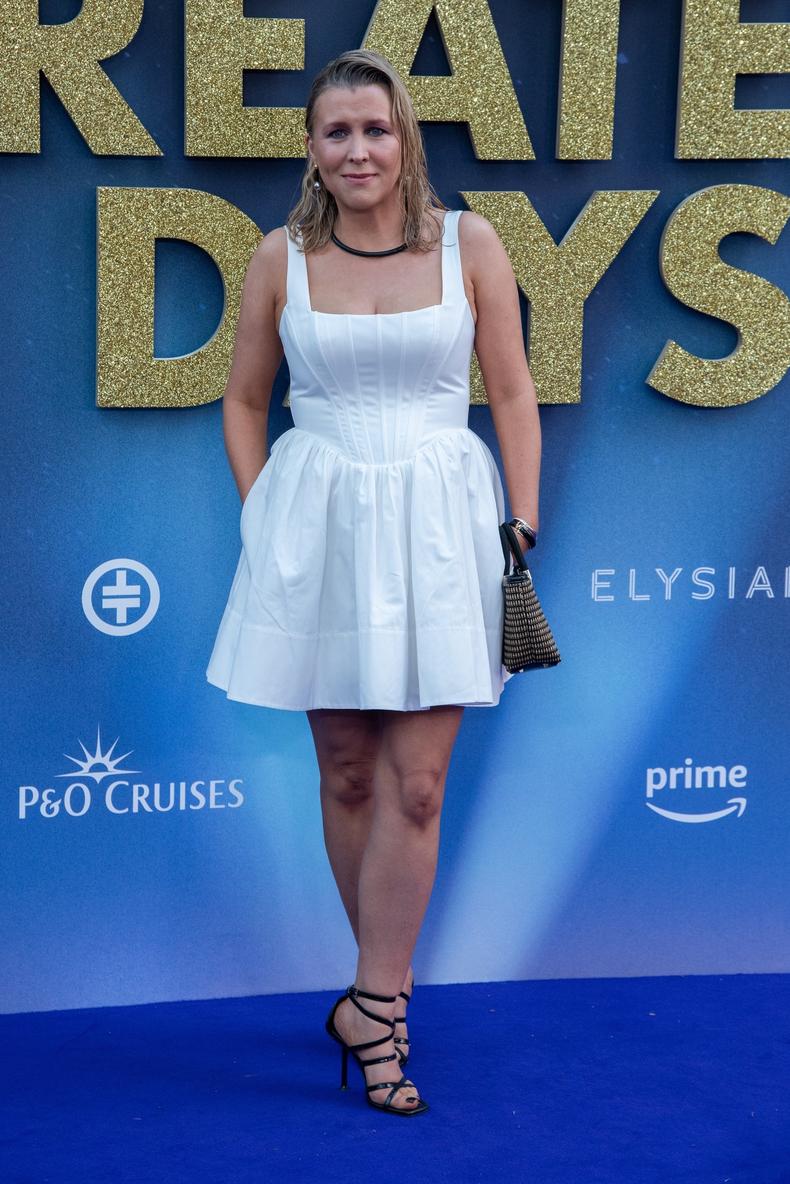
Another alumnus of Garth Marenghi’s Darkplace and similar noughties comedies – as well as being a regular in the Horrible Histories screen adaptations – Alice Lowe moved to the silver screen by writing and appearing in short films. In 2012, she starred in and co-wrote the brilliantly British caravanning comedy horror Sightseers, directed by Ben Wheatley. Four years later, she took on the director’s role as well in Prevenge, which also blended dark comedy and horror. Lowe played a murderous pregnant woman – and shot the movie in a fortnight shortly before she herself gave birth (how’s that for commitment?).
Her last film, 2024’s Timestalker, managed to encapsulate virtually every genre you can imagine, being billed as a historical science fiction romantic comedy. In her review of the film for Sight and Sound, Kate Stables wrote that the “rollicking, risk-taking, and deftly funny subversion of fairytale romance…shows off Lowe’s admirable ambition” – and, like many British actors turned auteurs, the secret to her success has arguably been her commitment to continue to write and star in her singular films, as well as directing them.
Credit: Loredana Sangiuliano/Shutterstock