Have you ever seen an ad on Instagram or TikTok that looks like it’s made by, well, someone like you? That’s probably a UGC advert. Brands use user-generated content (UGC) to make their marketing feel less corporate and more like something a friend would recommend. It has become a popular and valuable tool for connecting products with people.
Lots of brands use it, too, from skin-care products and plastic-free sponges to train companies and restaurants. UGC is everywhere. But if you’re a brand, you may be wondering how you actually find people who create UGC. What makes someone a good UGC creator? And, most importantly, how do you decide who’s the best fit for your brand?
Here’s a breakdown of everything you need to know about UGC creators, including where to find them and how to hire them.
JUMP TO
This is the big question: What’s the difference between hiring a UGC creator and an influencer? It can be especially confusing because lots of people do both, so the difference comes down to what you’re paying them for.
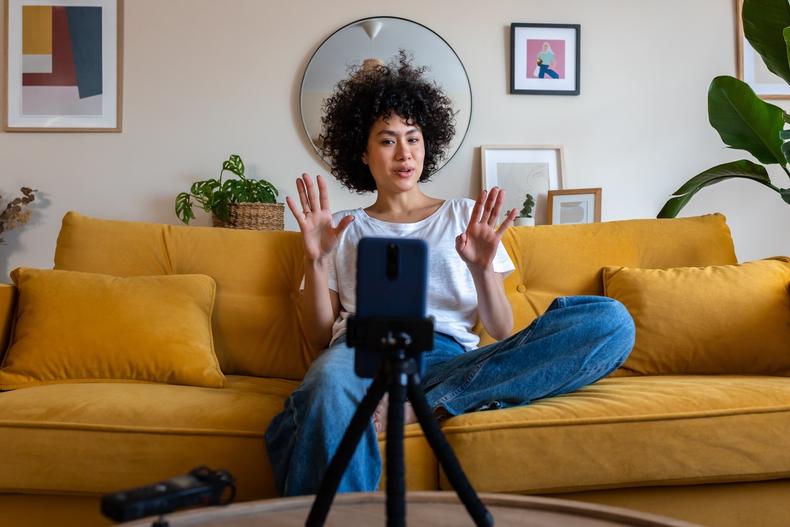
A UGC creator makes content for your brand to use on your own channels. It could be anything from a testimonial or tutorial to a product demonstration. Brands can then share the content on their website, Instagram, TikTok, or in paid ads, subject to the agreed usage rights. Follower count isn’t necessarily important for UGC creators. What matters is their on-camera personality and creative skills.
An influencer, on the other hand, is paid for their followers and reach. They will make your brand content based on an agreed brief and then post it on their own socials. In other words, content about your brand reaches their audience. When selecting influencers, you’ll probably want to find someone whose niche matches your brand’s. Sports brands, for example, would probably want to partner with creators with a special interest in fitness.
There is some crossover though. Some UGC creators have big followings, too, while lots of influencers also work in UGC. The important thing is knowing what you’re commissioning and who you are commissioning it from.
Where do you find UGC creators? A dedicated UGC platform, like Fiverr, is a good starting point. Creators build their own portfolios, so you’ll get a sense of their individual styles and whether they’re a good fit for the campaign you’re planning.
You could also try hashtag searches on TikTok or Instagram. That will source a whole collection of people doing UGC and examples of their past work.
Another great way to find a UGC creator is through recommendations. Ask other brands you know and trust who they’ve worked with and whose content they rate. Word of mouth can also be a brilliant way to discover talented creators who may not have a massive portfolio online.
Credit: Daniel Hoz/Shutterstock
Before you start searching, think about what you’re looking for specifically. Consider your target audience, what platforms you want to reach, and your budget. The clearer you are on the aims of the commission, the easier it will be to find a creator that ticks every box.
You’ve found a creator you want to work with. That’s great! But think about a few things before you sign on the dotted line.
Usage rights
Usage rights determine where and for how long you can use the content. A creator may charge a one-off fee for use across multiple platforms or charge separate fees for each social media channel. The price may also depend on how long you want to use the content, so be clear about your requirements before agreeing on a fee. If you want to be able to use it for 12 months, for example, write that clearly.
Exclusivity
If you don’t want your chosen creator to work with another competing brand in a specified period, you must explicitly say so.
Whitelisting
Whitelisting is when a brand runs advertising through a creator’s social media account, rather than its own socials. “A business might whitelist a popular influencer to make sure its ads are seen by the influencer’s followers,” Nico Prins writes for Cloudflight. If you’re keen to do this, discuss it with your chosen creator in advance and agree on the details, including how their account will be used and for how long.
The main thing to think about is clarity. Make sure your contract covers all usage rights and any restrictions.
Creators should be able to share their portfolio and media kit, which should give you an idea of the type of work they can produce. When scanning their materials, things to look out for include the basics, such as whether the footage actually looks good, whether their script is well-written, whether you can hear what they’re saying, and whether the whole video is well lit. Then there’s the creative stuff, such as the editing style and whether they have a natural presence on camera.
But a creator could have all of those things and still not be right for your specific brand. It may help to note whether they’ve worked with similar companies and whether their storytelling approach fits your content style.
Approach choosing a UGC creator as if you were hiring for a job. Pay attention to how they communicate – even if it’s just over email – and how they come across.
Ultimately, you want someone reliable who will deliver high-quality work on time. One way to do that is to commission a small paid test project before a bigger campaign.

Credit: PintoArt/Shutterstock
First things first: You’ll want to write a clear, concise brief. It can make the difference between receiving a video that is totally at odds with your vision and one that feels exactly like what you hoped to see. Be as specific as possible. Tell the creator exactly what you want the content to achieve and what you’d like it to look like. Include all the details you need in the final product, plus any exact words you need included.
Beyond that, it’s up to you how much creative freedom you give the UGC creator. Some brands like to give them plenty of free rein, as they want the content to feel as authentic as possible. Others provide detailed notes on every frame. Often, brands choose something in between.
Don’t forget advertising disclosure. In the UK, the Advertising Standards Authority (ASA) administers the CAP Code, which requires marketing communications to be obviously identifiable as advertising. For UGC content, that means clearly labelling it as an ad. Put the disclosure somewhere people will easily see it, such as in the video description or on the screen itself.
With that, you’re good to start your influencer search.