If you’re looking to make movies and start gaining experience in the industry, you may be wondering which pathway to explore: Should you become a producer or a director?
They’re both important yet distinct roles, but what exactly is the difference between directing and producing? Who’s really in charge when it comes to making a movie? And which role would best suit your skill set and career ambitions? Let’s take a look.
JUMP TO
Film directors are the creative visionaries, while producers are the managers of a production who make key decisions about financial and logistical aspects of a movie. There can be overlap between producer and director, however, depending on how the film process began.
Some producers create, discover, or commission story ideas before bringing a writer and director on board, for example, while directors often create and write a film idea and can sometimes end up being a producer.
Because producers and directors work so closely together, from preproduction to editing, it’s important that they understand both technical and creative aspects of making a film.
Directors need to understand the production process even if they aren’t directly managing it, so they can ensure that everything happens on time and on budget.
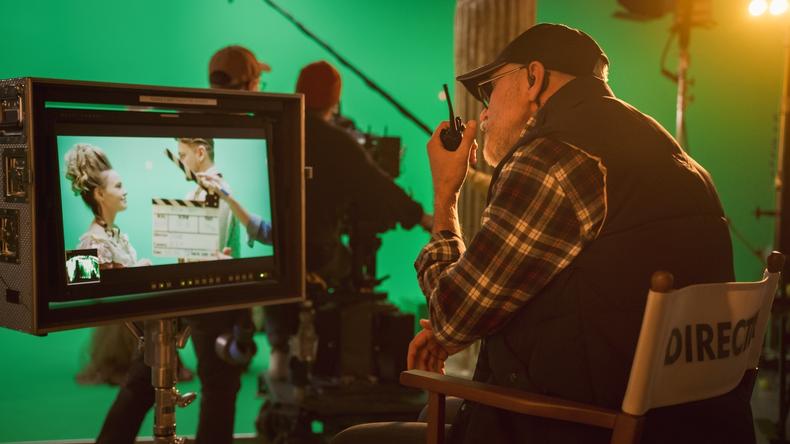
Credit: Gorodenkoff/Shutterstock
What does the director of a film do?
Directors lead on all creative aspects of a film. They establish the look and feel, from interpreting and visualising a script to how it will be shot and who will be cast. They are either employed by production companies or work freelance. They work closely with and instruct other members of the crew, such as:
- Producers and casting directors in preproduction
- Screenwriters and the script editing team
- Cinematographers and first assistant director on set
- Actors
- Department heads, including costume, production design, hair, and makeup
- Postproduction
What makes a good director?
In addition to being imaginative, creative, and passionate about film, a skilled director possesses strong leadership and communication skills. They dictate the vision of a film, work with and manage a range of people, and, importantly, inspire them to do their best work.
What does the producer of a film do?
Producers work with everyone involved in the filmmaking process, including distribution teams, marketing teams, and funding bodies, handling tasks such as:
- Finding and developing material
- Hiring a team, including writers, directors, line producers, and production staff
- Securing funding, budgeting, and negotiating contracts and bids
- Working with creative ideas from the director
- Approving production costs and locations
- Scheduling and solving problems throughout the production process
- Supervising the entire team and managing cost reports on set
- Playing a key role in the distribution and marketing process
What makes a good producer?
A good producer can both spot a strong creative opportunity and have commercial awareness. They need to be knowledgeable about creative processes like screenwriting, directing, and editing, and be good at storytelling and decision-making.
They also need to be good managers, organisers, and leaders; maintain a positive working environment; take responsibility for health and safety on set; and ultimately deliver a completed film.
What does a producer-director do?
Producer-directors do both roles – creating, producing, and directing the action. On a high-budget production they could be directing a crew, while on smaller shoots they may even operate the camera.
Many indie filmmakers and those on lower budgets have to take on this hybrid role. It can be beneficial on documentaries, enabling the producer-director to build trust more easily with film subjects.
There are downsides, too, not least that both are all-consuming roles. Ideally you want to have someone fill each one separately.
While on set, the producer and director head up different things. When it comes to who’s ultimately in charge of the project, it depends on who initiated it and who owns or finances it. Often, that’s neither the producer or director; it’s the funder, studio, or production company behind it.
That said, the producer is often the first and last person on a project, so they tend to have more influence as they assemble and run the production company, from choosing a script to hiring cast and crew – including the director.
In those cases, a director is often a hired crew member who works for the producer. Many hired directors negotiate to share creative control so they can have a say in aspects such as crew hires, casting, and how to allocate budget.

Credit: fizkes/Shutterstock
The producer and director have very different roles, but each is absolutely vital for a successful filmmaking process. The best filmmaking experience will see a producer and director collaborate well and consult each other when needed, since many decisions must be made together.
Producer and director: When do they collaborate?
It varies from project to project, but some areas of overlap include:
- Developing the look and feel of the film
- Finalising department head hires and schedules
- Input on shooting scripts and any changes
- Scheduling shoots
- Casting choices
- Postproduction
Good directors know how to ensure that everyone is given the resources they need to make their best work, while a producer acts as their right-hand person.
A good producer – even one who has the final say on key decisions – knows how to support the director so they can focus on their creative vision and consult them on key aspects.
Do you love building systems, solving logistics, negotiating, and managing? Producing could be for you. Find out how to become a film producer and search for opportunities to get a better idea of what’s required.
If you love shaping performances, tone, visuals, and meaning, explore roles in directing.
Technological developments such as AI and virtual production are changing the world of filmmaking, but soft skills such as communication, creativity, teamwork, and being able to understand things from both a creative and technical perspective are more important than ever – and they’re all skills needed to be a producer and a director.
Making a film is a hugely rewarding yet challenging experience, so it’s worth understanding both roles and the relationship between the two for the best chance of success, whichever path you choose.