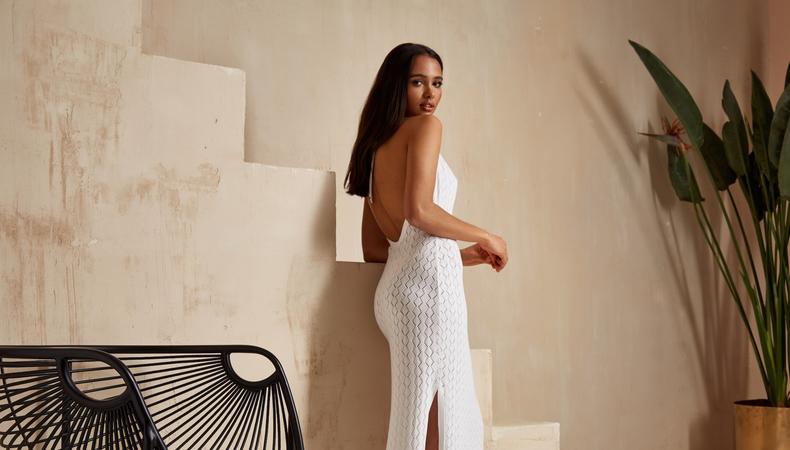
If you love the latest threads and the camera loves you in them, then you’re well set up to become a fashion model.
Fashion modelling is the most popular kind of modelling in the UK. The UK’s fashion industry is worth £64.7 billion, which means fashion modelling could be the way to go if you want to become a model.
JUMP TO
A fashion model is a model who specialises in posing for clothing brands, often in digital ads or the pages of magazines.
It could be high-end, luxury haute-couture – think Chanel, Dior, and other leading fashion houses – or you could be modelling high-street collections for brands such as Uniqlo or Zara.
Credit: bodnar.photo/Shutterstock
They’re best known for strutting the runway during fashion weeks, but there’s a wide range of work you can get involved in as a fashion model.
Catwalk shows
These are high-profile live events at which catwalk models walk up and down a runway wearing a brand’s clothes, such as during London Fashion Week.
Editorial shoots
These creative photo shoots for magazines and online publications, such as Vogue and Hypebeast, can be on location or in a studio. You’ll usually wear the lines of a few different designers during the shoot.
Advertising campaigns
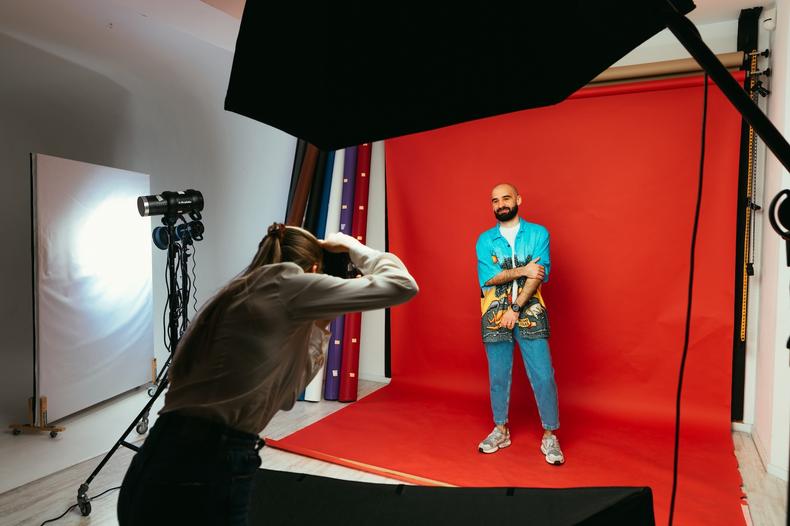
Advertising campaigns are commercial photo shoots – in a studio or on location – for billboards, retail spaces, social media, or adverts in newspapers and magazines.
Lookbook and e-commerce
These commercial photo shoots prioritise showing the clothes, sometimes with the model’s head cropped out. Lookbooks document a new season’s collection, while e-commerce helps buyers understand what the clothes really look like when they’re browsing online.
Fit modelling
Fit modelling is essentially being a live mannequin for designers and garment factories as they create clothes ahead of a new collection. Models are typically required to have specific, standard measurements so garments can be accurately tailored to different UK sizes.
Showroom and trade modelling
These live events – sometimes lowkey catwalk shows – showcase new collections that are not open to the public.
Brand ambassador and influencer work
Influencers and brand ambassadors usually work on social media, ranging from photo shoots (posted digitally) to speaking for the brand at events.
TV and video content modelling
These filmed shoots show the clothes in motion for social media, websites, or TV adverts. It may be part of a wider photo shoot, such as for an ad campaign or e-commerce.
There are a few routes to get into fashion modelling.
Get scouted directly by a casting director
It’s tricky to plan for and often comes down to being in the right place at the right time, but, among independent fashion casting directors, street casting is a growing trend. By sidestepping the usual agency route, casting directors are able to find a broader range of unique looks for their own shoots or exclusive runway shows. To up your chances, research independent casting directors and follow them on social media. When you’re heading out to public places where they may be scouting, such as in busy areas around London, always bring your sense of fashion with you.
Sign with a traditional agency
Getting signed to a modelling agency can help you become a fashion model because many fashion brands prefer to hire through agencies. Most modelling agencies have a fashion focus, so you can shop around to find one that suits you best. You could go for a global powerhouse like IMG, a UK legacy agency like Storm Management, or a regional agency like Manchester’s Boss Model Management. Whichever agencies you choose to approach, be sure to follow the submission guidelines outlined on their website.
Become a social media influencer
Use TikTok or Instagram to build up your fashion-modelling profile. Align your style with brands you’d like to work with and tag them in relevant photos. Once you have a sizable following, you may find it easier to sign with a fashion modelling agency or an influencer agency that specialises in fashion collaborations.
Become a brand ambassador
Many fashion brands, from Zara to Joules, have brand ambassador programmes that anyone with a couple thousand followers can join. You often get free clothes in return for collaborations, so it can be a great way to build up your fashion model portfolio and prove your talent.
Enter fashion model competitions
Modelling competitions require a thick skin and dedication, but they can be an excellent way to get exposure. You get a chance to show off your fashion modelling skills in front of big industry names, giving you a better chance at scoring agency representation even if you don’t win. Some competitions, such as Elite Model Look and Vogue Open Casting, are annual. Others are ad hoc, such as when Select Model Management partnered with the Good Clothes Show in Birmingham in 2024.
Go freelance
Easy access to online open casting calls for models have made it easier to be an independent fashion model than ever before. Make sure you’ve got a strong digital portfolio and excellent networking skills, because you’ll have to do all your own marketing and client outreach. It also means you’ll be in more control of your finances and who you work with.
Credit: Victoria Fox/Shutterstock
1. Don’t just style it out.
Being prepared is key. Do your research before you do anything. Understand the world of fashion modelling. Learn all the big names, brands, and publications. Familiarise yourself with the types of brands you’d like to work with.
2. Figure out your niche.
Spend some time working out your fashion modelling style. Are you tall and slim? Then you could be a catwalk model. Do you love posing for your socials? Then becoming a brand ambassador could be your route. Developing your niche as a model within this competitive market makes it easier for brands and agencies to hire you.
3. Curate your social media pages.
Even if you don’t have a huge following, it’s a good idea to have a social media page that complements your move into fashion modelling. Switch up your photos or create a fresh profile that’s dedicated to your new career.
4. Find your people.
Find fashion-focused industry professionals to link up with. From photographers and designers to students and makeup artists, surround yourself with people who want what you want. You may be able to give each other a leg up, potentially collaborating on a TFP shoot.
5. Shoot your portfolio.
As a fashion model, you’ll need a portfolio of photos ready to send to agencies and casting directors. You’ll want a combination of a clean headshot and full-length photos, including some editorial style shoots to show your posing skills and ability to wear garments creatively.
6. Get agency representation.
Most modelling agencies have fashion clients, so find one that suits you. Whether it’s a global agency such as IMG or a regional agency such as Manchester’s Boss Model Management, make sure you follow all the submission guidelines on their website and try to arrange a visit to meet their reps in person.
7. Attend a fashion model casting
Some lucky models may get hired off the back of a competition or a popular social media profile, but most have to go to a casting before they get paid work. Check open castings on model job boards and fashion brand socials for opportunities.