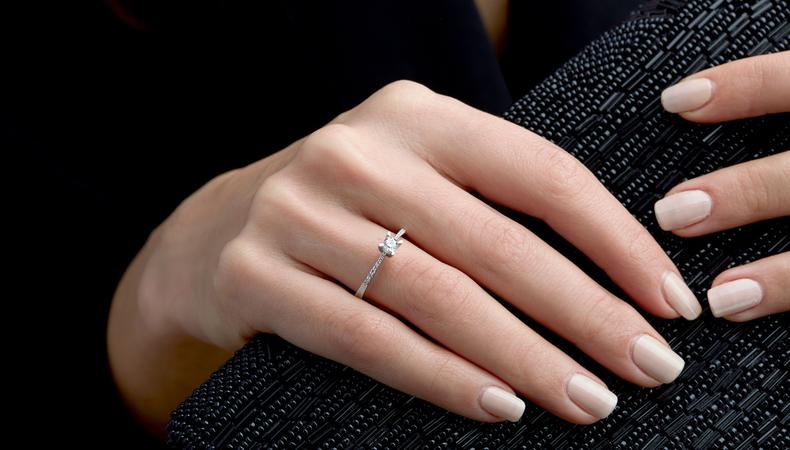
If you’re regularly complimented on your hands, then becoming a hand model could be within your grasp.
A hand model is one of several types of model that exist in the industry. Rather than relying on height, a certain body shape, or an attractive face, success depends on having well-presented, well-proportioned hands and the ability to hold precise poses for long periods.
From ads for jewellery and luxury watches to food photography, beauty campaigns, and smartphone commercials, hand models help brands showcase a range of products.
Many hand models also work in other areas of the industry, from fashion to commercial. Whether you’re looking to focus your energies on it exclusively or incorporate it as a string to your bow, here’s what to know about becoming a hand model in the UK.
1. Grasp the requirements for hand models.
There isn’t one perfect type of hand for modelling, but clients tend to look for specific characteristics. Healthy skin with an even tone, straight fingers, good joint alignment, and well-maintained nails are all hallmarks of a professional hand model. Generally, hand models don’t have visible scars, tattoos, or obvious pigmentation, although some clients specifically seek distinctive features.
Another important factor is having steady hands with good control, since you’ll be expected to hold poses and products for long periods of time, sometimes in awkward positions.
2. Knuckle down into a routine.
If you think you’ve got what it takes, you need to keep your hands in tip-top condition ahead of castings and jobs. Clients may book hand models weeks or just days in advance, so it’s worth having a consistent routine.
Besides the obvious – no picking or biting your cuticles and nails! – models need to keep their hands well hydrated. Fitness and hand model Evans Nortey uses cocoa butter in his routine to keep his skin soft and smooth for the camera.
Many experienced hand models also avoid activities that could result in cuts, bruises, or broken nails shortly before shoots. Even a small scratch can prevent you from working if a campaign requires close-up photography.
Hand model Avisha Tewani had to adapt her lifestyle to keep her hands looking pristine. “I used to love boxing as a workout, but I stopped,” she told Vice. “I couldn’t take that chance anymore.”
3. Get a handle on your portfolio.
Once your hands are looking their best, it’s time to build a portfolio of photographs to show potential clients. Unlike a regular modelling portfolio, your book doesn’t need dozens of full-body images. Instead, it should demonstrate the versatility of your hands.
Include several shots showing just your hands, and others where you’re holding or interacting with various items – from kitchenware to makeup products. The main areas hand modelling focuses on are cosmetics, food, technology, financial services, health care, and jewellery (including watches), so it’s worth considering those products for your portfolio. If you can, find a professional photographer with experience in those areas, because they’ll be able to guide you through poses.
4. Get a grip on the essential poses.
Hand modelling is surprisingly technical. Photographers and directors may ask you to hold the same position for several minutes in a way that looks natural but is actually quite strenuous.
You may also be asked to make very small, repeatable movements such as rotating your wrist slightly or pouring liquids smoothly. That means your hand, wrist, and finger muscles need to be well trained so they don’t cramp up on set.
Practising at home with household objects can improve your stamina and confidence. Record yourself opening a notebook, applying hand cream, using cutlery, or holding a wine glass. Watch it back and make notes. Small adjustments often make a big difference on camera.
5. Apply to hand modelling agencies.
Open casting calls are common, but many commercial hand modelling opportunities in the UK are filled through modelling agencies such as Hired Hands Models or BMA Hands.
When approaching agencies, make sure to follow their submission guidelines carefully. Mention any previous modelling or acting experience or skills such as product demonstration.
Don’t be discouraged if you don’t hear back immediately. Agencies receive large numbers of submissions, and timing often plays a significant role in whether they’re looking for new specialist talent.
If you decide to go the open casting call route, it’s worth creating a profile on a casting platform, where commercial clients and production companies advertise hand modelling opportunities.
6. Snap up a hand model casting.
Your first bookings are unlikely to be big luxury jewellery campaigns. Many new hand models begin with student photography projects and content for social media.
See what hand model castings are available and network with independent jewellers, local businesses, or food truck start-ups – anyone who may need photos of their products being held by hands.
Each booking helps build your experience and portfolio while allowing you to understand what a day-to-day career in the field is really like. Treat every job professionally. Arrive on time, follow direction, and maintain a positive attitude.
7. Get to grips with being on set.
Like any modelling shoot, hand modelling involves much more than simply posing. There’s usually a lot of waiting around while lighting is adjusted or products are set up. Expect the makeup artist and stylist to make tweaks to your hands before and during each take.
Remaining patient and maintaining precise hand movements throughout the day is one of the qualities clients value most. Make sure you always get a good night’s sleep and drink plenty of water ahead of shoot day.
8. Keep developing your hand model career.
As your experience grows, you’ll know better the kinds of jobs and areas you’re most interested in and you’re best suited for. Keep an open dialogue with your booker to help shape and develop your career in the direction you want.
Save clippings and photos of your hands from paid work and keep your portfolio up to date. If you’re with an agency, keep copies of your photos to keep a bit of independence in case you ever want to switch agencies or go solo.
Network with photographers, makeup artists, creative directors, and producers, since it can help you get more work as a hand model.