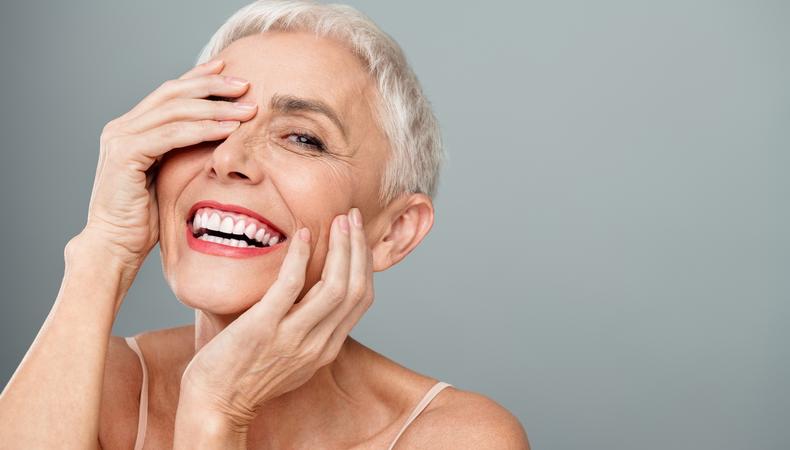
Once upon a time, the modelling industry was all youth and tiny frames. But things have changed dramatically, and there is a growing demand for diversity across the spectrum – including older talent.
Despite the label, a “mature model” doesn’t refer to a single age group. In the UK, it generally refers to models over age 35. “To be a mature model, you can be any age from 35,” Erin Flock writes for Sandra Reynolds Agency. “We have models who are in their 80s or older still booking big campaigns.” Mature models can be found in all corners of the industry. They feature in TV commercials, lifestyle shoots, e-commerce content, and even some catwalk shows.
If you think you’re too old to be a model, think again. Here’s how to become a model if you’re older than the industry average.
1. Choose your niche.
Before applying anywhere, it helps to understand the different types of modelling work available. Here are some of the options.
- Commercial modelling: This may include TV adverts, catalogues, and lifestyle campaigns
- Editorial modelling: The high-fashion side of the industry typically involves photo shoots for magazines.
- E-commerce modelling: This entails product imagery, such as a digital catalogue model.
- Parts modelling: This type of modelling focuses on a particular area of the body, such as hands, hair, or eyes.
- Catwalk modelling: Catwalk models get to walk the runway.
Mature models get the most work in the commercial setting, where there’s demand for talent of all demographics since models should represent the typical customer profile.
2. Make a portfolio.
Having a modelling portfolio is essential if you’re looking to become a mature model. Most agencies will require at least a headshot and a full-length photo. Beyond those basics, your portfolio should highlight your range. “Include a mix of clean headshots, full-body images, and different looks – natural, commercial, and editorial, if possible,” according to Choice Model Management. “Let each image show a different part of your personality and versatility.”
The photos should be natural with limited makeup, but they should also show your personality. Your portfolio should be updated regularly so it always represents how you currently look.
3. Find an agent.
An agent can help your modelling career at any stage of its development. They’ll find you jobs, sort out the financial side of things, and offer you personalised guidance on your trajectory. Mature models must apply to agencies that actually work with older people. The modelling industry has become much more inclusive, but agencies will ask for basic measurements, such as your height, weight, and clothing size, as well as your age.
You should also make sure the agency does not ask for up-front fees; that’s a big red flag. Agents make their money by taking a cut of your earnings. Before you sign, check the agency’s track record. It could be worth speaking to its current models too.
Here are some agencies you may want to consider:
- Grey Model Agency is a UK agency that solely represents models over 35.
- Mrs Robinson Management has a section dedicated to “retro women” and represents only models over 25.
- Sandra Reynolds Agency is a UK agency that has a section for models ages 40 and up.
4. Attend casting calls.
Once you’re signed – or even while you’re still applying to agents – you can attend casting calls. Look on job boards, where you may be asked to submit your portfolio or attend an in-person or online casting. The more castings you attend, the more confident you’ll become in front of the camera and during the audition process.
5. Be professional.
Like any creative industry, modelling rewards reliability. If you book a job, make sure to put your best foot forward: Arrive on time, be polite, and show willingness – you want the people who book you to want to work with you again!
6. Look after yourself.
The harsh truth is that modelling is an industry based on appearance. Looking after your overall health and well-being is important, and it will make you feel more confident.
Good grooming also goes a long way. Keeping your hair, skin, and teeth well cared for will make you feel camera-ready. But there’s no expectation that you should hide signs of ageing, such as wrinkles. Many brands specifically look for mature models with natural grey hair, laugh lines, and other features that reflect real life.