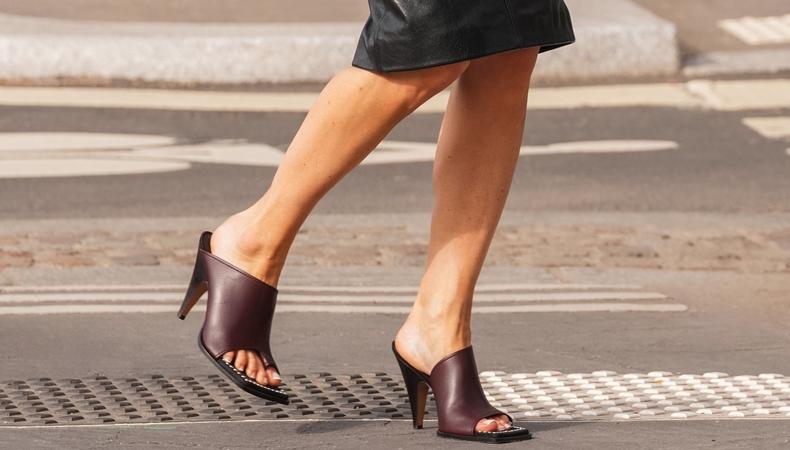
In the world of fashion, feet are having a moment. The past few years have seen a rise in outlandish footwear (and foot fashion), with Saint Laurent’s clear shoes, Chanel’s heel-cap shoe, and a growing toe ring trend.
If you’ve ever considered becoming a model and felt that your feet deserve to be the stars of the show, then there’s never been a better time. Here’s what a foot modelling career entails.
JUMP TO
Broadly speaking, it’s a modelling niche in which you pose for footwear and foot-related products, from jewellery to cosmetics to medical treatments.
As a foot model, you could appear in a range of commercial and editorial images – from TV adverts to e-commerce to magazine spreads. Foot modelling is often more repetitive than glamorous. Hours can go into getting one shot exactly right, with a photographer checking arch angle, toe spacing, and lighting down to the millimetre.
It’s detailed, patient work, and models who thrive can usually hold a pose steadily and take direction without complaint, shoot after shoot.
There’s no single “correct” foot for the job, but agencies look for certain traits. According to hand and foot model Ellen Sirot, foot model requirements include high arches, long and slender toes, and an even, gently tapering line from the big toe down to the little toe, known as the “sequential sweep.”
Parts specialist agency Hired Hands Models requires applicants to attend meetings with bare, untreated nails. Skin needs to be smooth and even-toned, while heels and nails should be well kept.
Modelling feet demands a high level of maintenance, which is expected for jobs as well as castings. Shoot production agency Soona requires models to arrive “with well-groomed, moisturized, and clean skin and nails.”
Height and waist size aren’t as important as with other modelling niches, but shoe size matters more than people expect. Hired Hands Models notes that women’s UK sizes 7 and 4 are the most consistently castable for e-commerce foot modelling work, because they match standard sample sizes used by brands.
Credit: Pixel-Shot/Shutterstock
Earnings vary by market, experience, and whether work is agency-based or freelance. Established commercial foot models with strong client relationships can earn several hundred to several thousand pounds per booking, whereas entry-level or occasional work pays far less.
Over her 10-year career, British foot model Sundal Roy has appeared in editorials for shoe designer Camilla Elphick and Shoe Heaven for Harrods. Foot models in the UK can earn up to £90,000 a year, according to UK Models. Most bookings won’t reach that figure, but, with consistency, you can build a reputation, get taken seriously by big-name brands, and command a higher rate.
Big, established, global brands can afford to pay larger sums, but they’re harder clients to land without an agency. As a freelance foot model, expect to earn much less to start with.
1. Do some “sole” searching.
Before anything else, research the foot model industry properly. Look at real campaigns, agency websites, and interviews with working foot models to see whether this modelling niche genuinely suits you. Not having sample-size feet isn’t necessarily a deal-breaker, but, if you love playing football, ballet, or hiking, you may want to consider a career that doesn’t depend on having pristine feet.
2. Tidy your trotters.
Get your feet into excellent condition. Study Hired Hands’ talent code of conduct and bear in mind that you’ll need to develop a routine to keep your feet looking their best. You never know when a last-minute casting may come up or how long you may have to wait between being booked on a job and the actual shoot day. That includes avoiding activities that may cause bunions, callouses, or scratches, such as wearing heels.
3. Apply to foot model agencies.
Agencies are the gatekeepers to the industry. They have connections to top clients and can advocate on behalf of their models for a higher rate. Look for modelling agencies that have worked with footwear brands, and always follow the application guidelines carefully. Reputable UK options include Hired Hands Models and Hands by TDA in London; Base Models in Bournemouth, Manchester, and London; and AS Agency in Birmingham.
4. Work on your strut.
Study foot model photos to understand common poses, and then practise in front of a mirror. You may find some positions more challenging than others, which will help you work out where you need to build strength. Shoots can demand holding awkward positions for a long time or doing the same movement over and over again.
5. Step up your portfolio.
If you’re lucky enough to have signed with an agency, they should help hook you up with reputable photographers and stylists. Freelancers should find an experienced photographer and build a small set of strong, varied images as part of a TFP shoot that show your feet and foot poses at their best. Compile them in your foot-focused modelling portfolio.
6. Peddle your socials.
Curate your social media with foot modelling content plus a dash of your own personality. Your social media acts as an extension of your portfolio, as well as an insight into who you are. Create a profile that makes you attractive to the kind of clients and agencies you’d like to work with, and then follow those relevant accounts with the hope of getting on their radar.
7. Find footsteps to follow.
Try to build a network of industry creatives and mentors who you can bounce ideas off, do shoots with, or ask for advice. Look out for photographers, stylists, other parts models, and footwear or jewellery designers. Opportunities in this niche often come through word of mouth, and you never know who may be able to help you with your next gig.
8. Kick it at a foot model casting.
Whether you sign with an agency or go independent, hopefully you’ll soon land a foot model casting. These are like job interviews where brand representatives, photographers, and fashion casting directors assess if your image – in this case your feet – fit their vision for a campaign. Be punctual, polite, and professional. Ensure that your feet are in their best condition – and check your skin for sock and shoe indentation marks a few minutes before you go in.