Whether you’re kicking off your dance career or bringing movement into your repertoire, stepping into a dance audition can be equal parts daunting and exciting. Those first few casting calls demand more than just raw technique. You’ll also need to know how to prepare, read room dynamics, and understand audition etiquette.
Here’s your guide to understanding how dance auditions work, how different genres vary, and how to bring your A-game every time.
JUMP TO
Sometimes the scariest part of an audition (or anything, for that matter) is arriving into the unknown. Every casting team works differently, but the good news is that most dance auditions follow a similar structure. Understanding the process will hopefully mean fewer surprises on the day.
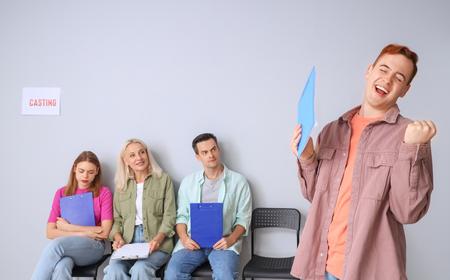
There are two main types of auditions: open calls (or cattle calls) and invited auditions. Open auditions can be attended by anyone who meets the basic criteria, such as age range, gender, and experience. Expect lots of people, long waiting periods, and a fair bit of competition.
Invited auditions are arranged through agents or direct submissions via casting platforms. The sessions are generally smaller, more tightly structured, and tailored to specific casting requirements.
Registration
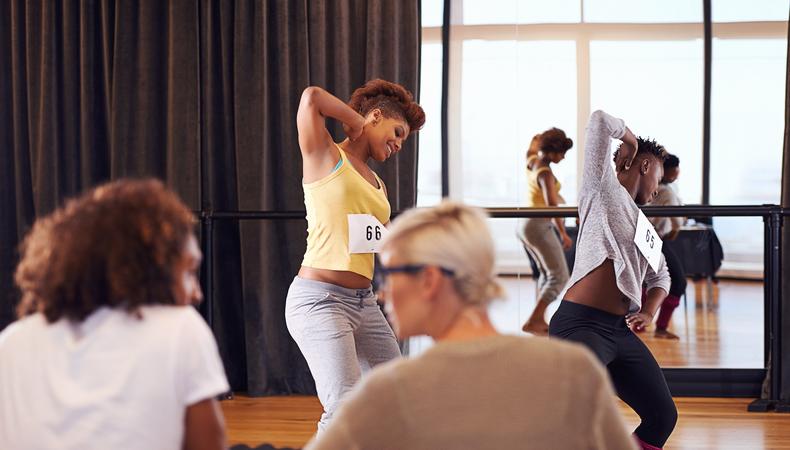
When you arrive, you’ll register, hand over your headshot and CV, and get an audition number to pin to your chest or waist.
Warm up
You’re usually expected to arrive early enough to warm up on your own, but some panel-led sessions may begin with a group warmup.
Group choreography
A choreographer or assistant will normally teach a short combination of moves (typically eight to 16 bars). It can be quite fast-paced – especially in bigger groups – so make sure you don’t miss a beat. You’ll then split into smaller groups of around four to eight dancers and perform the routine in front of the panel, often multiple times.
Further rounds
Panels make quick decisions, so numbers are called out right after a group performs. If your number is called, it can mean either you’re invited to stay for the next round or you haven’t got through. Don’t worry: The team at the audition will always make it clear which it is.
“The truth is: Sometimes you’ll get it, sometimes you won’t. That’s OK. That’s life,” says dance teacher Hannah Rudd. “The skills you develop and learn through the process of becoming a professional dancer are invaluable. Take the lesson, the experience, and weave it into your skill set and keep moving.”
Credit: Rawpixel.com/Shutterstock
The structure of the day is similar, but the main difference between open and invited auditions is the number of people attending. Queuing for registration can take hours at open calls and just a few minutes at invited auditions, where numbers are smaller and you’re often divided into time slots.
Similarly, you may learn the choreography in a group of 30 to 50 people at an open audition, while invited auditions involve smaller groups of 10 to 15. That means more time for the choreographer to answer questions and observe each dancer individually.
Both types of auditions have their advantages. Open auditions give everyone a chance to go for it, and a bigger group means tonnes of energy and encouragement. Smaller groups at invited auditions can feel intimidating, but it’s a vote of confidence to be asked there and an opportunity to show what you can do.
Different dance genres demand different technical foundations, visual aesthetics, and performance tones. Getting familiar with the seven core types of dance can help you adapt your technique to match the room. But dance auditions typically fall into the below three themes.
Musical theatre auditions
This is where storytelling takes centre stage. Panels look for actors who can convey character arcs and emotional intention while executing technical choreography. Clear, character-driven choices are a must.
Commercial dance auditions
“Commercial” covers everything from music videos and adverts to live tours and fashion events. They tend to focus on current dance styles and trends, such as hip-hop, street, commercial jazz, or freestyle, but they could involve any type of dance. Camera awareness is important, as is personal style, rhythmic precision, and performance confidence.
Contemporary dance auditions
Contemporary auditions are about versatility, adaptability, and strong physical alignment. They may include floorwork and improvisation. Panels are often looking out for an ability to move reactively and organically, spatial awareness, and a willingness to collaborate creatively during group tasks or contact work.
Whichever type of audition it is, Rudd says, “the days can be long. Take moments out and away from the intensity when in your breaks. Don’t expend energy where it isn’t necessary and isn’t useful.”
Thorough preparation can help turn audition anxiety into performance fuel. Here are the main things to consider.
1. What to wear
Knowing how to dress for a dance audition shows you know your stuff, and it can help the panel see how you move more clearly. Form-fitting clothes such as leotards, tights, leggings, or dance tees show your alignment and silhouette. Costumes are not advisable, but it’s a good idea to tailor your outfit to the genre of the audition. You may want to include some street-style athletic wear for commercial calls, while standard practice wear is better suited to musical theatre.
Pack a few footwear options if you have them, including character shoes, jazz shoes, tap shoes, and clean trainers, on the off chance you’re asked to perform different styles.
“Take the time to understand what feels good on your body, and what suits you best,” Rudd says. ”Make sure to do your research for the specific roles in your audition, and tailor what you wear to suit that.”
2. Warming up and fuelling up
“Take care of your body. Fuel it well and train it properly,” Rudd says. Dance auditions are physically demanding, so it’s important to arrive feeling strong, well rested, and in good shape for the day.
Don’t rely on a group warmup to get you in the zone. Plan your journey to arrive in plenty of time for your own full-body prep, focusing on dynamic stretches, joint mobility, and core activation. These 10 dance warmups are a good place to start for an effective pre-audition routine that engages your muscles and helps prevent injury.
As well as physical preparation, Rudd says to “research the roles, companies, their culture and current repertoire, [and] what their mission statement is. Doing committed research and taking interest shows your genuine investment in the audition.”
3. Audition room etiquette
How you handle yourself when you get into the audition space is as important as your technical skill. It can be tempting to try to get to the front, but it’s more important to show strong spatial awareness and respect for fellow auditionees. Find a spot without crowding, rotate rows if you’re asked to, and leave plenty of room for others during travelling sequences. Pay close attention when the choreographer gives notes or adjusts counts too. Panels notice who takes direction quickly.
“The panel sees everything,” Rudd says. “Let yourself be seen; no hiding. Let them see what you have to offer, and how you navigate the environment.”
They’ll also observe how you work with others, and your attitude and energy throughout the day. A positive presence is an asset, but making mistakes can be frustrating. The three Rs are a good technique for keeping composure: release (shake it out), reset (take some breaths), refocus (get back in the zone). “Work hard to not place undue judgment on yourself during the audition,” Rudd says.
Dance auditions can seem intimidating at first, especially when you’re just starting out. Proper preparation; a calm, confident attitude; and an understanding of what’s to come will all help you show the panel what you’ve got – and hopefully land your next job. Failing that, you may make firm friends who’ll cheer you on at the next one.
“Remember why you do this,” Rudd says. “If it gets a bit overwhelming, remember what it’s all for. Be kind to yourself and those around you. You’re all in the same boat.”