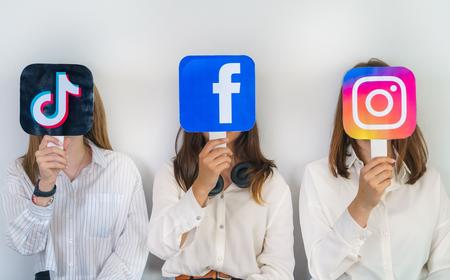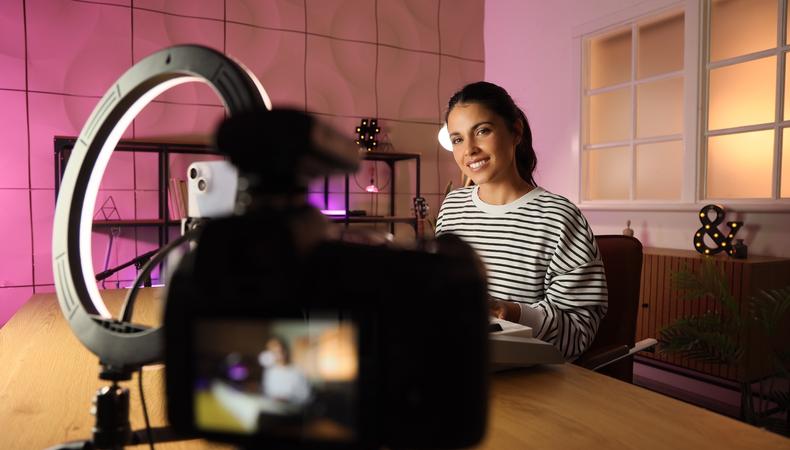
Scroll through TikTok and Instagram, and your feed will be flooded with beaming influencers trying to sell you things. Some focus on fitness or food, while others focus on beauty or fashion – with all the various niches in between. Their offerings come in all shapes and sizes – some with millions of followers and others with just a couple thousand.
If you’re a brand, you have plenty of people to choose from at all stages of their influencer journey. How do you pick the influencer who is right for you when so many could be open to a partnership?
Here we lay out some things you may want to think about before you send an introductory DM.
JUMP TO
There are two main ways to find social media influencers: searching for them yourself and using a marketplace to connect with potential collaborators. Below we lay out the pros and cons of each and how to go about using them.
Search manually on social media platforms
This is the most obvious option, and the one most people will find easiest if your social media feed is attuned to your niche. You may find an influencer who occupies the same niche or someone whose online persona simply seems like an appealing fit. Either way, finding them on social media lets you see their work in its natural, finished form.
Start by identifying the platforms your target audience uses most, then get searching.
- Instagram: Influencers may just appear organically in your feed, but you can also search specific hashtags and keywords. Food brands, for example, could try hashtags such as #guthealth or #Londonrestaurants. It’s also useful to see who similar brands are following and who they work with. (Just remember that some influencers may have signed exclusivity contracts with your competitors.)
- TikTok: The search bar is a great place to find influencers. You can explore niche topics and trends and see who is posting about them. The TikTok algorithm can make an account go viral once, but, for brands, it’s probably more useful to focus on creators who attract big views frequently.
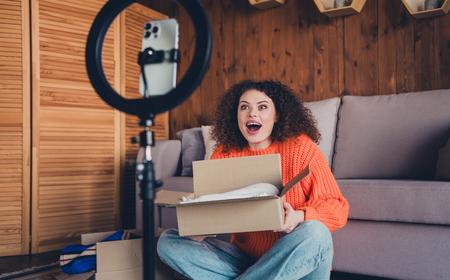
- YouTube: If you’re looking for YouTube influencers, search for product reviews, tutorials, or unboxings that are relevant to your sector. Beauty brands, for example, may want to search for other skin-care or makeup reviews. You can also explore creators recommended alongside the channels your audience already watches.
Followers and reach aren’t everything though. It’s wise to choose the creator whose content style you admire, and who connects to your products most authentically. The right candidate may actually be a smaller creator whose videos are likely to appeal to your audience.
Take your time when conducting your own search on social media. There’s little point in rushing the process if it leads you down a path with the wrong voice for your brand.
Use influencer marketplaces
If you’d rather spend less time hunting and more time planning your campaign, an influencer marketplace may be the problem-solving database you need. Marketplaces like KolSquare and Collabstr connect brands with creators. You can browse profiles, explore pricing, and carefully consider your options before you get in touch. You can also filter profiles by criteria such as location, budget, and niche. Marketplaces may be particularly useful if you’re looking for a user-generated content (UGC) creator, because the content they produce sits on the pages of brands rather than their own profiles, making them slightly harder to find through a manual search.
You’ve found a creator with gorgeous content and an impressive follower count. Great! But what makes them a better fit for your brand than the next creator, with a stylish editing technique and loyal fanbase? It’s tricky, but here are a few things to consider when hiring a creator.
Their audience
Start by thinking about your target customer. Consider their average age, interests, location, spending habits, and the social media platform they use the most. Then think about whether the creator you’ve found belongs to a similar demographic.
That will help you determine whether they’re a good person to market your product. A creator may have 200,000 followers, but, if they’re mostly in the US and you’re only shipping your stock to the UK, there may be someone better out there for you to work with.
Brand alignment
Bigger isn't always better. Creators range from nano-influencers with small, niche communities to mega-influencers with audiences in the millions. Both can be useful, but it depends on what you want.
Smaller creators tend to offer a more engaged audience, while larger creators will likely give you greater reach. Start by thinking about what you want the campaign to do. Do you want to increase brand awareness and reach as many people as possible? In that situation, the bigger creator is probably the right choice. But if you’re looking for higher-quality long-term engagement, maybe think about choosing a smaller creator who fits closely with your brand.
Their content and values
If you’re a beauty brand launching a flashy new lipstick, it makes sense to choose a creator whose feed is already full of beauty recommendations. They’ll already be reaching people interested in similar things. You wouldn’t, however, approach an influencer whose main focus is gaming. The key is thinking logically: You want someone whose content and audience already align with the people you’re trying to reach.
It’s also worth looking at the other brands they’ve partnered with. If you’re an eco-friendly water bottle brand, for example, you probably wouldn’t want to collaborate with a creator who regularly promotes disposable plastic products. If you find an influencer who’s already advertising products that directly compete with yours, they may also be a no-go. Ideally you want their previous campaigns to be aligned with – but not identical to – what you want them to promote on your behalf. The best adverts feel like a fresh extension of the creator’s usual content, so look at their other collabs.
Once you’ve found someone who could be a great fit, it’s time to put on your detective hat. Here are some red flags to look out for before you sign.
Look at their engagement quality
Likes and follower counts are useful starting points, but they don’t tell you whether an audience is genuinely interested. Instead, have a peek at the comments under their posts. Are people asking questions? Does the influencer reply to them? Does it feel like they have a genuine relationship with their followers? Those are all signs of good engagement.
You can also calculate engagement rate by dividing the number of engagements by follower count and multiplying by 100. For example, 500 engagements on an account with 10,000 followers gives an engagement rate of 5%. That may actually be higher than the rate of a creator with more followers.
Watch out for fake followers
Fake followers are a big no-go! You want to work with a creator whose followers are real, engaged people. Warning signs include sudden, unexplained spikes in follower growth, repetitive comments from suspicious accounts or an account with a large following but low engagement.
Of course, some creators may have legitimate reasons for unusual engagement patterns, but keep your wits about you when considering talent.
Check their audience geography
If you’re running a UK-only campaign, it’s essential that the creator you’re working with can actually reach people in the UK. Ask for audience location data rather than relying on the creator’s own location or the language they use in their videos. Just because a creator is British, don’t assume they have a predominantly British audience.
Review their advertising practices
This is a big one. Check whether the creator has a history of clearly disclosing sponsored content. In the UK, the Advertising Standards Authority (ASA) provides guidance on influencer advertising. Commercial content should be clearly identifiable as advertising, using prominent labels such as “ad.” A good starting point is the ASA’s list of noncompliant social media influencers.
But just because a creator doesn’t appear on the list doesn’t mean they’re in the clear. Do your own investigations and, when a creator eventually produces content for your brand, make sure they follow the relevant guidelines closely to avoid trouble down the line.