Working for free is a hot topic in creative industries. From unpaid internships to working for “exposure” instead of cash, newcomers and old-timers alike are ripe for exploitation.
But it can be worth your while. As Janet Murray writes in the Guardian, the trick is ensuring that you’ve “carefully weighed up the personal and professional benefits.”
TFP, which means “time for prints,” is a common way for models and photographers to collaborate without exchanging money. If you’re looking to become a model, you need to know exactly what you’re agreeing to, what you’re getting in return, and when it’s better to walk away.
Here’s what to expect from a TFP shoot, how to decide whether it’s right for you, and how to stay safe.
JUMP TO
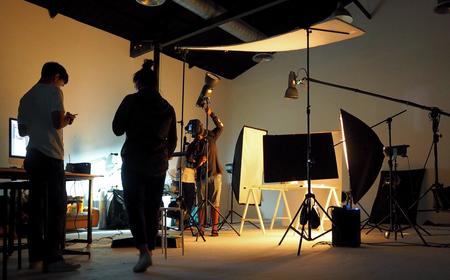
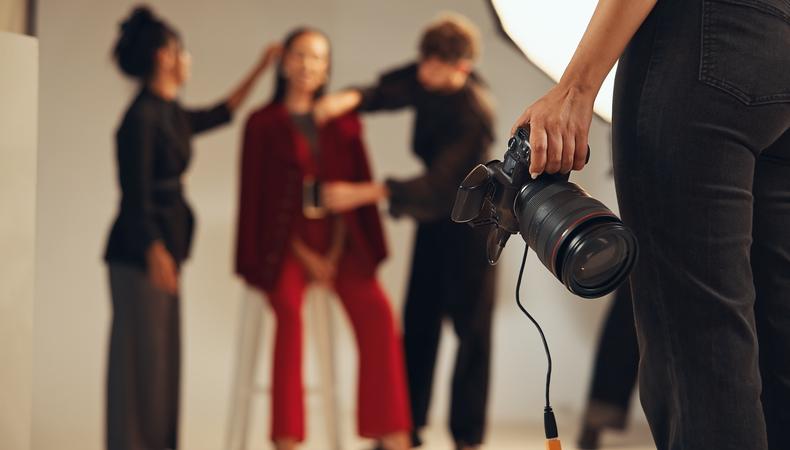
In TFP, which sometimes also stands for “trade for prints” or “time for pictures,” nobody is paid. You give your time and the photographer gives you edited images. Makeup artists, hairstylists, and fashion stylists often join on the same terms as the models posing in front of the camera. It can be a great way to build up your portfolio.
The term “print” is a bit outdated, as you’ll usually receive digital files rather than physical prints. TFP photography works well for photographers keen to build up their book or test new ideas, and for models who are starting out or want creative work outside their usual niche.
UK agencies tend to call it a “test shoot.” The British Fashion Model Agents Association (BFMA) describes it as an agreement in which model and photographer work for each other on a mutually beneficial basis, usually with no fees beyond shared costs, such as studio hire. The photographer supplies a selection of images and has limited rights to use them. If you’re signed with an agency, your agent must agree to those rights as well.
Under UK law, the person who creates an image owns the copyright, not the model in the image. Unless you agree otherwise in writing, you hold no copyright in your own TFP photography, only whatever permission the photographer gives you.
The pros
- It costs less. Paying a photographer for every set of images adds up quickly, especially while you’re still learning what works for you.
- It’s low-pressure practice. There’s no client expectation, so you can rehearse poses and expressions and learn how a shoot runs.
- It offers creative range. TFP models aren’t just newcomers; even working models use TFP photography for personal projects or looks that their agency work doesn’t offer.
- It builds your network. A photographer, stylist, or makeup artist who enjoyed working with you may recommend you or book you later.
The cons
- Safety isn’t guaranteed. A TFP shoot isn’t backed by a company or a production, so you have to rely on your own background checks. Fake profiles and untrustworthy photographers exist, so don’t skip your research.
- The exchange can be uneven. Photographers can be less skilled than advertised, deliver late or not at all, or fail to turn up. Photographers report no-shows from models, too, so reliability matters on both sides.
- Image rights can become a problem. If nobody agrees how images could be used, you may find them somewhere you didn’t expect or be unable to use them yourself.
- It’s not the route into an agency. The BFMA says you don’t need a professional portfolio to approach a modelling agent. Legitimate agencies never ask for money up front, and they increasingly accept models whose initial photos have been taken on their phone.
- It can be commercial work in disguise. If a brand wants images for its website or adverts, or a photographer is shooting to a client brief, that counts as commissioned work and you should be paid for it.
1. Decide whether you need a TFP shoot. If you’re approaching agencies, start with snapshots. If you’re freelance or exploring your range, set a specific goal first: Which gap in your book will this shoot fill?
2. Look up opportunities. Follow photographers, hairdressing salons, and fashion students for call-outs. You can also look up opportunities for TFP models on casting platforms.
3. Check the photographer. Search their name, look at recent work with other models, and check that the work is theirs. Message previous models privately if you can. If there’s no online history, treat that as a warning.
4. Agree on the concept in advance. Work on a mood board or example images with the photographer. Confirm wardrobe, styling, and whether any nudity or lingerie is expected beforehand. Pressure to change the plan on the day, especially toward less clothing, is a reason to stop.
5. Agree on what you’ll receive. Settle the number of final images, whether they’ll be retouched, and a delivery date. Photographers commonly suggest one to two weeks, but there’s no industry standard, so it’s worth asking.
6. Put it in writing. A short signed agreement should cover how each of you can use the images, how you’ll credit each other, and what happens if either wants a picture taken down. If you’re represented by an agency, speak to your booker before you sign anything. If you’re under 18 and in the UK, a parent or guardian must be involved.
7. Plan for safety. Share the photographer’s details – including the address of the shoot – and a check-in time with someone you trust. Get yourself there and back independently, keep your phone charged, and remember that you can leave at any point. If you’re really unsure, bring a friend – it’s a red flag if a photographer won’t allow you to bring someone along.
8. Turn up prepared, then follow through. Be on time, bring the agreed looks, and arrive with a few ideas for poses. Afterward, credit the TFP team when you post on your socials, keep your signed agreement, and include your strongest images in your portfolio.