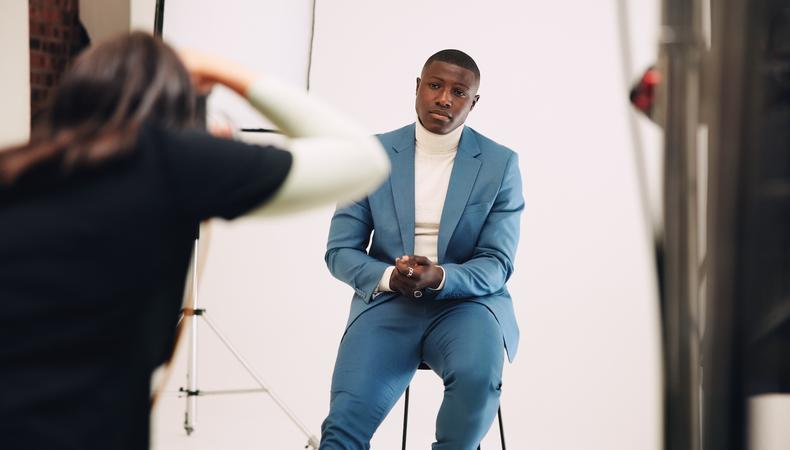
Got your sights set on a career in the fashion or commercial industries? Before anything else, you need headshots. Even the most successful models – from Twiggy to Alton Mason to Bebe Parnell – got where they are partly thanks to their headshots. You’ll need other photos, too, but if your portfolio is your passport, your headshots are your entry stamps. Casting directors and agency scouts flip through hundreds of model cards every day, and, before they look at your measurements or range, they look at your face.
Mastering headshots is a crucial step to finding representation, booking work, and becoming a model in the UK. Read on for a step-by-step guide to nailing what could be the most important shot of your career.
JUMP TO
A modelling headshot is a clean, closely cropped portrait that frames the top of your head down to your shoulders or chest. Its aim is to show your face as naturally as possible, acting as a blank canvas that helps agency scouts and clients see your bone structure, skin texture, and overall symmetry without heavy makeup, dramatic styling, or editing.
Agents and casting directors use your headshots to quickly assess your raw potential. Not only that, but when clients search candidates for modelling jobs, they use headshots to filter for specific aesthetics. An authentic headshot could quickly show you fit the brief.
A standout headshot is striking, but still looks like you. Here are a few things to consider to help you get it right.
What to wear
Opt for plain, form-fitting tops in neutral colours, such as a black or white T-shirt, tank top, or fitted turtleneck. Avoid bold prints, bright shades, or obvious branding that could distract from your face. It’s best to steer clear of chunky jewellery or garish accessories for the same reason. Save them for your editorial shots!
How to pose
Top tip: Pushing your chin slightly forward and down shows the true shape of your face, and gives your neck plenty of length. To avoid a blank stare, think of making soft eye contact through the camera lens or bring an intentional thought to mind. It’s a good idea to experiment with different expressions to show your facial range, from a calm gaze to a warm, genuine commercial smile that shows your teeth. Just remember that headshots are about subtlety, not dramatic angles. Keep your expressions natural, your shoulders relaxed, and your hands away from your face, unless specifically requested.
Background and lighting
Take your headshots against a solid white, light gray, or neutral-coloured backdrop to keep the focus on your face. Natural daylight from a big window or indirect studio lighting is usually the most flattering for skin texture, and it prevents harsh shadows from forming under your eyes. It’s tempting to shoot outside for maximum daylight, but be sure to keep the background uncluttered by trees, buildings, or other people.
Following industry standards for your digital and physical headshots makes them look professional, and it shows you know your stuff. Digital photos should be 8 by 10 inches, vertical, and high resolution, with no heavy editing or retouching.
For physical shots, you’ll need 5.5-by-8.5-inch prints for your comp card, and 8-by-10-inch or 9-by-12-inch borderless prints for your portfolio. Print on high-quality matte or lustre-finish photo paper, rather than high gloss that creates glare and shows fingerprints.
For models just starting out, digital Polaroids have become the standard for initial applications to agency scouts and casting calls. They show your real features, with your skin and hair in their raw state.
You should always have a full-colour version, but classic black-and-white shots are popular in high fashion because they highlight facial structure and contrast, so you’ll want to include both.
When you’re just starting out, focus on quality over quantity with two or three distinct headshots.
- A natural commercial headshot that’s warm and approachable, with a subtle smile
- A neutral high-fashion headshot with a more serious expression, direct eye contact, and emphasis on your facial structure
- A profile shot taken from the side, with your head turned 90 degrees to the camera to show your profile, nose shape, and jawline
To give you a better idea of what casting directors look for, here are some examples of modelling headshots that really hit the mark.
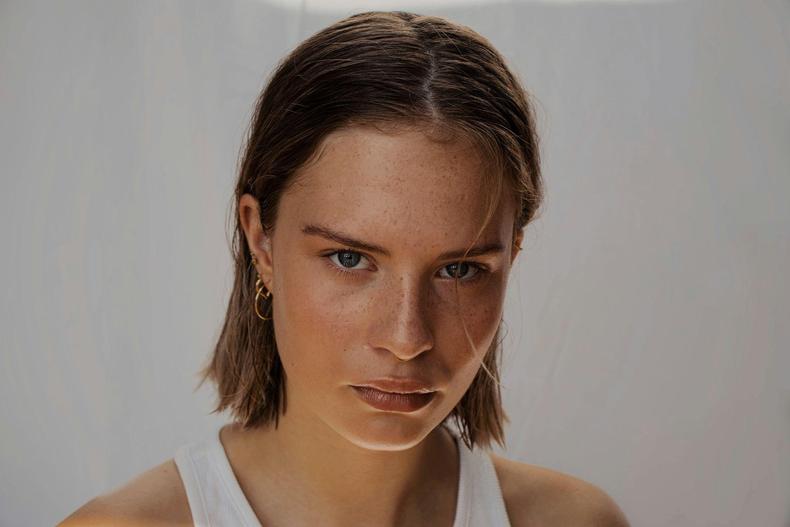
Image credit: Fleur Kaan on Unsplash
Why it works
This softly lit shot clearly shows the model’s skin and hair texture. With a neutral background, plain top, and minimal jewellery and makeup, there’s nothing to distract from the face. The eyes are engaged and there’s plenty of attitude, but it’s still easy to visualise the model in different looks and poses.
(Note that this image is horizontal. For your first submissions, it’s best to stick to industry-standard vertical shots.)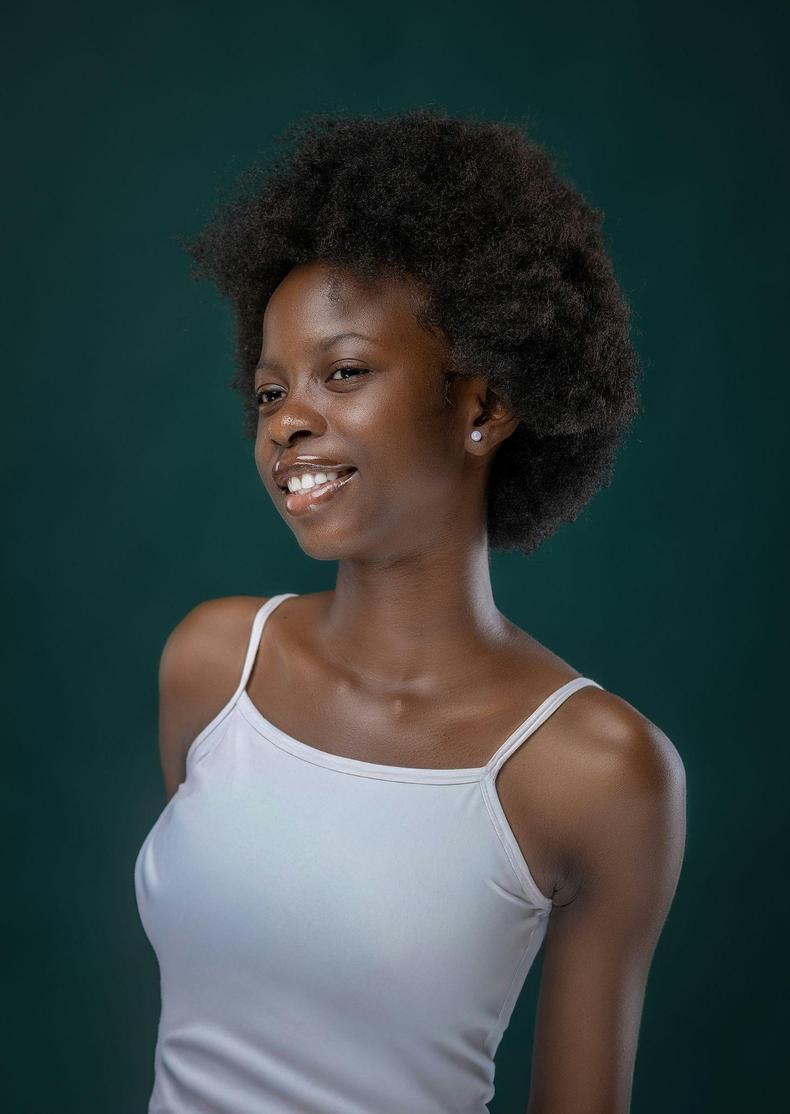
Image credit: JEaLiFe Pictures on Unsplash
Why it works
Posing at a slight angle gives us a clear look at the model’s bone structure. The facial expression is dynamic, with a soft smile that shows a glimpse of personality without losing that blank-canvas effect. Subtle lighting and retouching mean we can still see the model’s natural skin and hair.
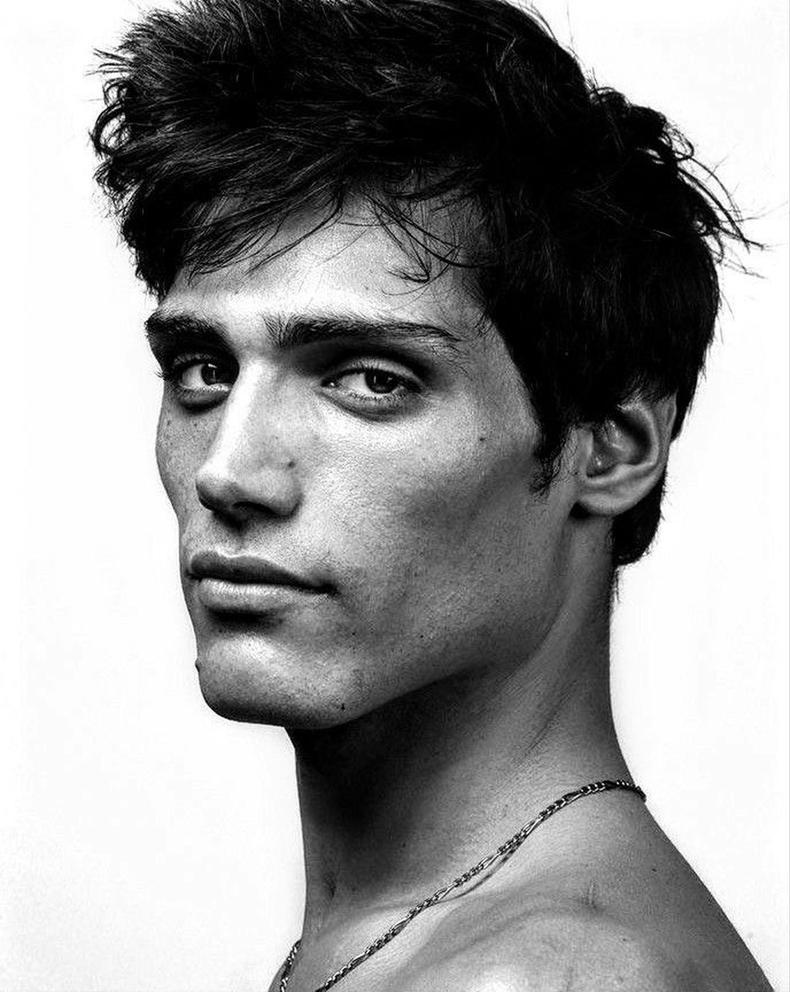
Image credit: Bob Seppala on Unsplash
Why it works
Turning the head away slightly shows off this model’s striking jaw line and cheekbones. Sharp focus and minimal retouching mean we can see the raw detail of hair strands, skin imperfections, and body curvature. This is a good example of how black-and-white images can highlight facial composition too.
Your headshots should reflect what you currently look like. If you walk into a casting call looking noticeably different from your photo, it can create mistrust with clients or waste your time and theirs if they’re after a very specific look.
Update your headshots whenever you get a new haircut or colour, or your physical appearance changes because of things such as weight loss or gain, aging, or visible piercings or tattoos.
Whether these changes have happened or not, you should update your headshots every one or two years to keep them fresh and current.
When you’re starting out, a smartphone, natural light, and a friend with a good eye could get you the shots you need. That said, investing in a professional photographer will always take your portfolio to the next level.
Prices are influenced by a few factors: how experienced and specialised the photographer is, the quality of their equipment, and where they’re based. Overhead for studios and production in big cities tends to be more expensive, so shoots cost more to cover it. You can expect to pay around 20% to 50% more in London, for example.
For a less well-established photographer, you’ll typically pay £80 to £150, or £120 to £250 in London. That usually includes a 30- to 60-minute session using natural light and a simple backdrop, a couple of outfit changes, and an online album of 50 to 100 images along with one or two lightly edited images.
For more experienced or specialised photographers, you’re looking at between £200 and £400 for regional locations, or £300 to £600 in London. For that, you’ll likely get a 1.5- to three-hour session with studio lighting, posing direction, multiple looks, and three to five expertly retouched photos that meet industry requirements.
You can often buy extra images and retouches from your photographer at an additional cost, normally between £15 and £45 per image – but that can vary.
A successful modelling career takes skill, patience, and hard graft. If you’ve got all that, a killer headshot could be your ticket into the industry. Remember to keep it simple and authentic, and invest time (and a bit of money, if it’s available) into getting it right. After all, this could be the thing that takes you from an aspiring model to your first professional job.