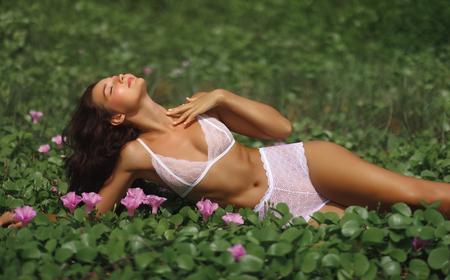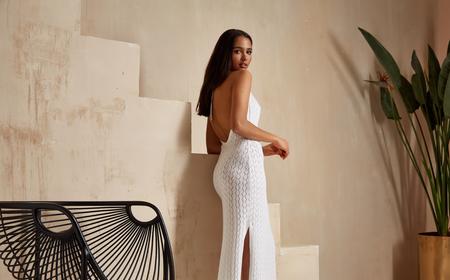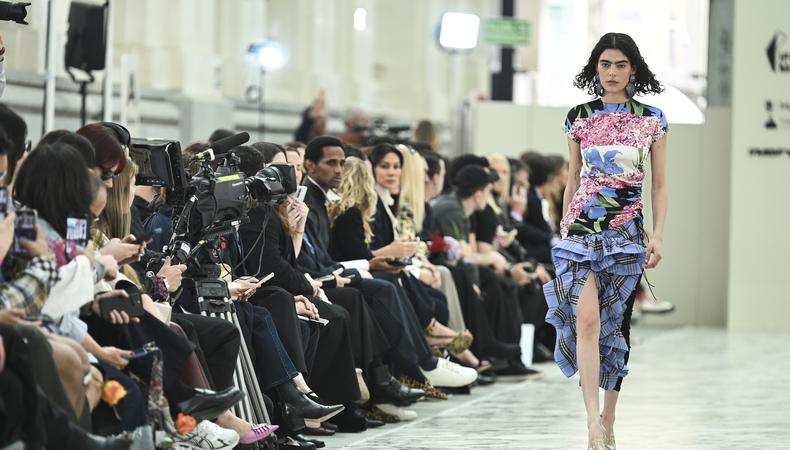
Models are known for being leggy and tall, but the average height for a woman in the UK is under 5 feet, 4 inches.
With brands like Baukjen and FatFace having broadened their petite offerings in 2025, awareness of smaller sizes and the need for models who are shorter than the industry average is growing.
If it’s your dream to become a model but you don’t fit into the stereotypical, long-legged mould, here’s how to become a petite model in the UK.
JUMP TO
In the UK, a petite model is a model who is shorter than the model average. It’s a term generally reserved for fashion and catalogue models, since models who are closer to the national average height (rather than the model average) typically work as real life models doing lifestyle and product work.
Petite modelling spans e-commerce and catalogue work, beauty and skin-care campaigns, parts modelling (such as hands, feet, and hair), commercial advertising, lifestyle shoots, and fit modelling for high street retailers that produce petite clothing ranges.
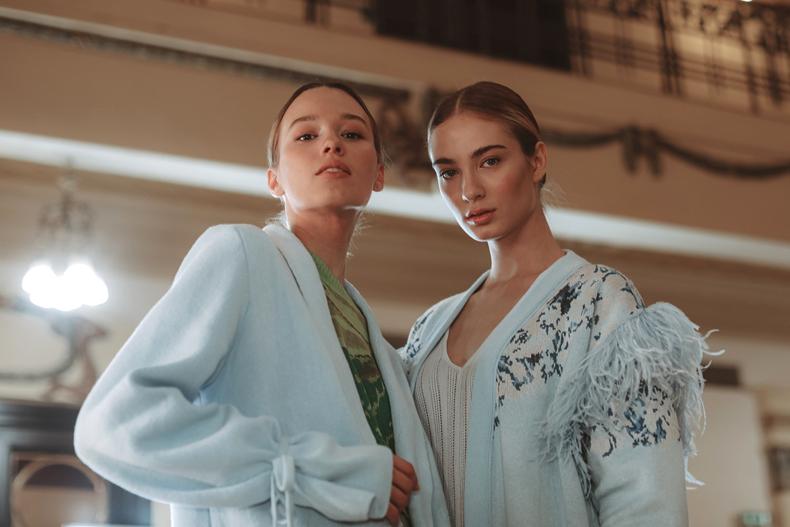
Credit: Xeniia X/Shutterstock
If you’re wondering how tall a petite model typically is, the online resource UK Models says women need to be between 5 feet, 2 inches and 5 feet, 6 inches tall. Measurements for hip, waist, and bust sizes need to be in proportion to the model’s height.
If you’re not sure whether you fit the criteria, take a look at typical measurements for models to see which niche suits you best. Other considerations are clear and well-cared-for skin, strong posture, and a genuine work ethic.
Requirements also shift depending on the type of modelling. High-fashion editorial bookings are rare for petite models. They’re highly selective, and often favour a distinctive, editorial face and exceptional proportion. Commercial and catalogue work, meanwhile, is considerably more flexible, prioritising relatability, versatility, and reliability over a specific look.
There are a few different routes to becoming a petite model, whether it’s applying for work directly or carving out a path for yourself. Here’s a breakdown of four main paths.
Get agency representation
Contrary to agency application forms (which often state a minimum height), almost all agencies have a handful of petite models on their books. Explore boutique fashion agencies such as J’adore in Manchester, XDIRECTN in London, or Savalas in Newcastle. Or you could choose a commercial agency with a dedicated petite division, such as Mustard, Sandra Reynolds, or The Diversity.
Become a social media influencer
Building an engaged, well-curated following on Instagram or TikTok can catch the eye of scouts and brands directly. Arina Maksimova has dedicated her social media to petite model advocacy, generating editorial interest by branding herself as “the first petite top model.” Follower counts alone rarely substitute for professionalism on set, but an authentic, unique social media presence can give your career a real boost.
Go freelance
Digital jobs boards and active creative networks on social media have made it much easier to be an independent petite model. It requires more self-management (including chasing invoices, vetting clients, and marketing yourself), but you’ll avoid paying an agency commission.
Nepotism
Lily-Rose Depp, Lila Moss, Sofia Richie – the reality is that family ties and lucky introductions make a difference when you’re pursuing a career as a petite model. Still, outsiders can build equivalent networks through consistent professionalism, attending legitimate open calls, and treating everyone you meet on set as a relationship worth maintaining.
Devon Aoki (5-foot-5)
Aoki made her runway debut in 1997 and walked for all the top fashion brands, including Balenciaga and Chanel. Campaigns include high-fashion Louis Vuitton and high-end ready-to-wear brand Acne Studios.
Inka Williams (5-foot-5)
Williams has a huge social following, but, more impressively, she has done campaigns for Victoria’s Secret and covers for Harper’s Bazaar.
Amina Blue (5-foot-1)
Blue became an overnight celebrity after modelling for Kanye West’s Yeezy line and landing campaigns for Missguided and Pretty Little Thing.
Lila Moss (5-foot-3)
The breakthrough model of the year at New York Fashion Week 2023, Moss has been on the cover of Vogue, walked for Miu Miu, and been the face of Marc Jacobs.
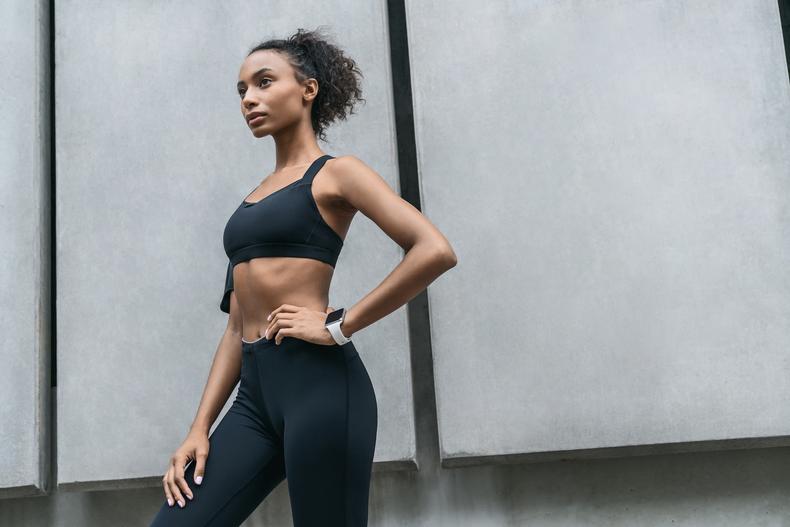
Credit: Inside Creative House/Shutterstock
1. Investigate the industry.
First, find out as much as you can about becoming a petite model in the UK. That includes which agencies and designers hire real petite models – and the ones that don’t. Understand the stereotypes and the barriers you may face.
2. Rethink your social media.
You don’t have to be a full-blown influencer, but it’s worth having a social media page that makes sense with your life as a petite model. Reimagine your feed so it aligns with your professional brand or make a new profile that’s focused on your career.
3. Grow your network.
Link up with like-minded industry professionals. Find designers who design petite clothing, other petite models, and creatives who share your dream. You may be able to help one another out as you build your careers.
4. Build your portfolio.
As a petite model, you’ll need to be up front about your size. Don’t try to trick potential clients into hiring you. Make sure your comp card and portfolio show your true measurements and create a book of images that clearly show off your proportions and any outstanding features such as hands or feet.
5. Apply to agencies.
Most agencies have a small number of petite models on their books. “My message to aspiring models is not to be put off by the restrictions on the model agency application forms,” says petite model Olivia Arben, who’s represented by Elite. Just go for it anyway and be persistent.
6. Go to a casting.
Check open castings on model job boards and brand socials for petite modelling opportunities, as well as those with no height restrictions. Bring all your charisma, enthusiasm, and infectious energy to the shoot. Have faith: Good things often come in small packages, after all.